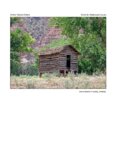
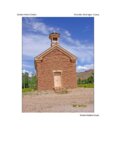
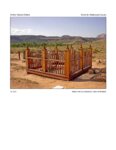
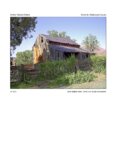
| OCR Text |
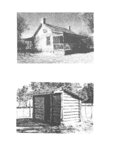
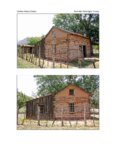
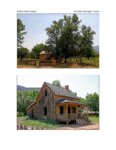
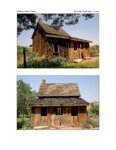
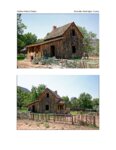
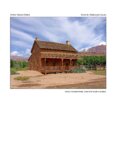
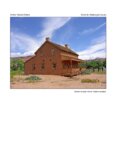
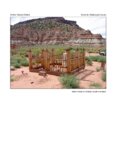
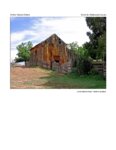
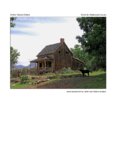
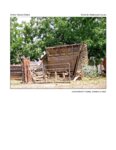
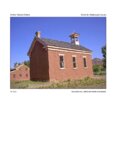
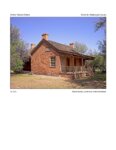
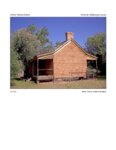
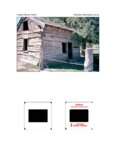
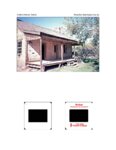
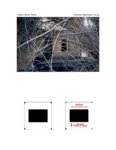
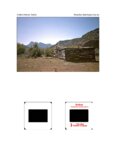
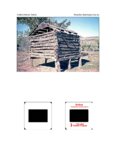
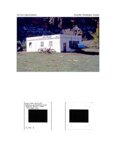
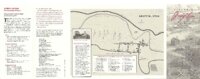
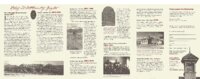
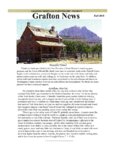
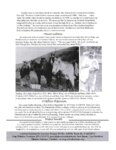
Show OMB No. 1024-0018, NPS Form United States Department of the Interior National Park Service National Register of Historic Places Continuation Sheet Section No. §. Page 10 Grafton Historic District, Rockville, Washington County, UT Grafton and the Movie Industry Grafton was the filming location for a number of movies beginning in 1929 with "In Old Arizona, " the first talkie filmed outdoors. " The Arizona Kid' with Warner Baxter and Carole Lombard followed in 1930. Several of the local residents, including Vilo and Floyd DeMille, earned four dollars a day working as extras. "Ramrod' was filmed in 1947 with Joel McCrea, Veronica Lake, and Lloyd Bridges, and several temporary buildings, including a hotel to the west of the schoolhouse, were constructed for the set. "Butch Cassidy and the Sundance Kid," starring Robert Redford and Paul Newman, was filmed at Grafton in 1969. A small frame house was constructed for the movie at the southeast corner of East and North Streets but was later accidentally burned down by campers. "Child Bride ofShort Creek " in 1981 and "The Red Fury" in 1984 were the last movies filmed in Grafton. 55 There are no structures remaining from the movie sets. Architecture Classical styles, particularly Greek Revival , were very popular throughout America during the mid-nineteenth century, as they symbolized the Greek democracy on which our nation was founded. Symmetrical floor plans and elevations also reflected these traditional values, often following the ideal proportions set out by Italian Renaissance architect Andrea Palladio. Builders in each region adapted these ideals to suit their local needs and resources. Classical styles were quite prominent in early Utah architecture, as the majority of settlers came from the eastern United States where these styles were popular. Using available materials such as adobe, softfired brick, and logs, with black basalt and red sandstone foundations, the Grafton pioneers built in the popular classical styles, incorporating vernacular characteristics such as stucco-covered walls, unadorned frieze boards, flat wooden lintels, and cornice returns. Timber for building construction and fences was obtained via the nearby Wood Road (not included in district boundary), which provided access to forested areas. Floor plans also reflected these traditional styles and many of the homes had single-cell, hall-parlor, or doublepile plans, depending upon the wealth, need, or social standing of the individual. The extant buildings in Grafton were built over a forty-five-year period from the initial settlement of the community at this location from c. 1862 to c. 1907. The rather elegant (considering the setting) adobe brick Alonzo H. and Nancy Foster Russell House is a sidegabled one-and-a-half story Greek Revival vernacular house with a full-width frame front porch and a shedroofed section at the rear. The house reflects the prominent position of Alonzo H. Russell in the community including his role as bishop of the local LDS ward. It was built c. 1862-3 with Greek Revival-style elements like low-pitched side-gabled roof, the emphasized, cornice with frieze, cornice returns on the gable ends, and six-over-six pane double-hung windows. Greek Revival architectural styles were popular in the United States from 1825-1850 but the Mormons brought the style with them to Utah and continued to use it here for several more decades. The Louisa Maria Foster Russell House is a single-story vernacular log house built c. 1863 56 with few styling details. Its modest size and styling was most likely appropriate for an additional polygamous wife. It is side55 Grafton Heritage Partnership Project. "Historic Grafton ; A National Register Historic Site in Southwestern Utah ." Undated (post 2001) pamphlet. c . 1873-9. Platt & Platt notes (p. 82) that Louise Maria Foster Russell lived in the house from "about 1879 when she returned to live in the log home th at Alonzo had built for her." 56 The exact construction date is unknown but presumably it was either soon after arrival in the area c. 1862-3 or |