| OCR Text |
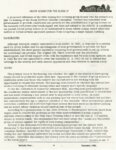
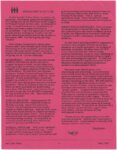
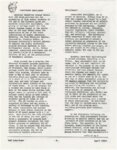
Show SOCIAL POLICY Welfare and Individual Potential Working Together for Change The above titled report was issued by the Utah Department of Social Services Welfare Reform Task Force during the first week of September. The report is the result of considerable work on the part of the task force with significant input from community agencies and citizens. Statewide "hearings" were held on the draft report last spring and these are the final re~ommendations from the task force on how Utah can best accomplish welfare reform. A key tenet of the report is that the primary purpose of welfare should be to provide short term aid for those individuals who need temporary support, and to help the recipient in working towards self sufficiency. Self sufficiency does not always mean acquiring a job, however. For many recipients self sufficiency will first mean finishing a high school diploma, learning job skills, receiving job training, or receiving help with job searches. The cornerstone of the self sufficiency requirement is the task force's belief that "Recipients must not be sheltered or protected from accepting responsibility for themselves and their dependents, developing and meeting expectations, and accepting the consequences of their decisions and activities." This philosophy will come to life with the task force's recommendation that all welfare recipients participate in a contract with the Department of Social Services. The contract will be tailored to each fndividual's needs and will delineate what goals he or she and the agency are responsible for meeting. Although sanctions will be imposed for those recipients who do not fulfill the expectations of their contracts, it is not clear what these sanctions will be. The report does say, however, that the state will also be held accountable for providing the services outlined in the contract. The task force recognizes the importance of support services for welfare clients, and consequently devotes several pages of the report to recommendations for SaltLake Voter -1- improving the availability of health care benefits, day care, transportation, housing, employment, training, and job development. Because the welfare reform proposals would require all mothers with children over the age of three to undertake employment activities as a condition of receiving benefits, quality day care is especially c~ucial. The report briefly addresses the needs of those who cannot achieve true self sufficiency. In the mission statement the report notes that, "For a small segment of the population, those who face long-term physical, emotional, or mental disabilities, the purpose of public welfare is to provide basic income maintenance as well as medical and social support services to assist them to improve the quality of their lives while permitting and encouraging as much selfreliance and responsibility as is possible and appropriate." Another key recommendation of the report is that Utah must work to coordinate its welfare program among all participating State agencies. The report also advocates monitoring proposed federal legislation so that Utah can assess which proposals should receive the state's support. The task force notes that a Welfare Reform Implementation Team will be formed to develop implementation strategies for the welfare reform recommendations in the report. The team will include state level staff, local staff, legislators, representatives of community agencies and groups, past, preset or potential cltents, and representatives of the private sector. A specific outcome-based implementation plan will be produced no later than January 1 , 1988. While the report and its recommendations for welfare reform have met with some legitimate criticism, everyone agrees that welfare reform must take plch·e and that Governor Bangerter should be lauded for taking such initiative. It is everyone's hope that a real reduction in poverty will occur in Utah as soon as possible. Sheryl Gillilan Social Policy Chair October 1987 |