| OCR Text |
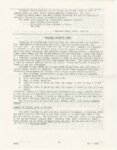
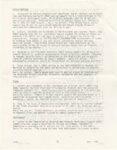
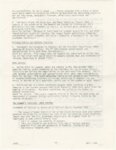
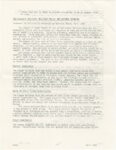
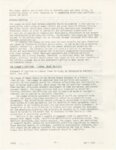
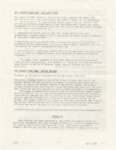
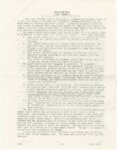
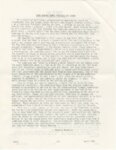
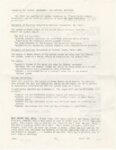
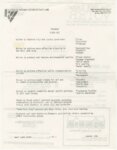
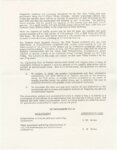
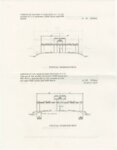
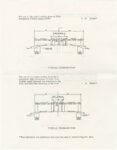
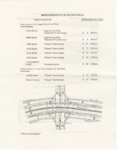
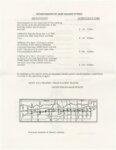
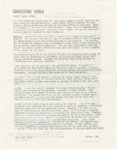
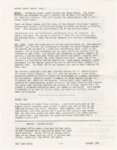
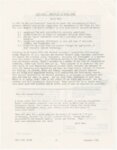
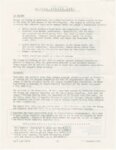
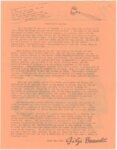
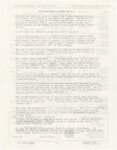
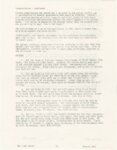
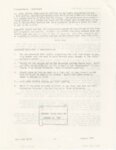
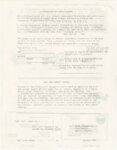
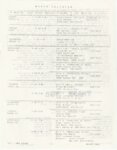
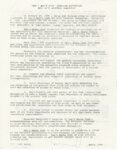
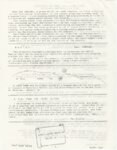
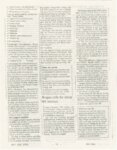
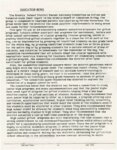
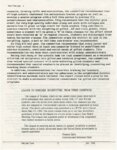
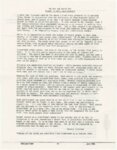
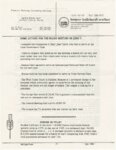
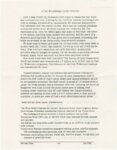
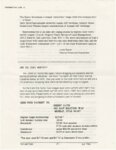
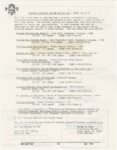
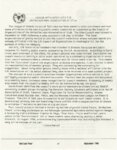
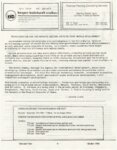
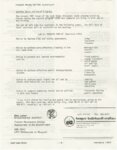
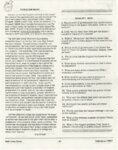
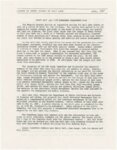
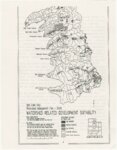
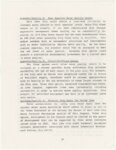
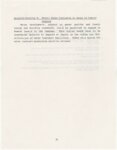
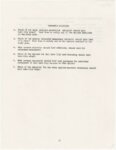
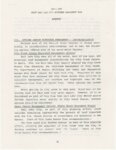
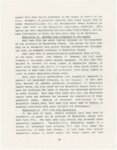
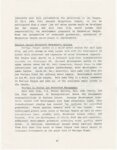
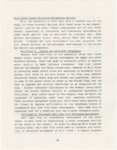
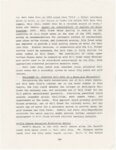
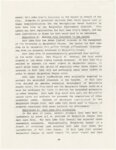
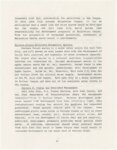
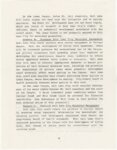
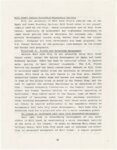
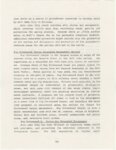
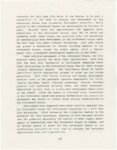
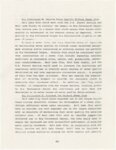
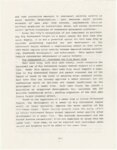
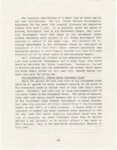
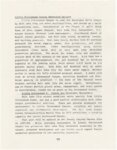
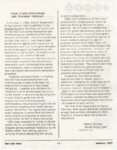
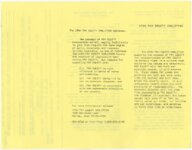
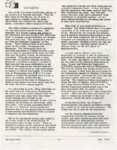
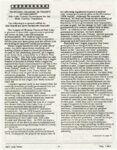
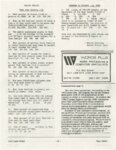
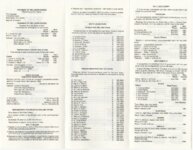
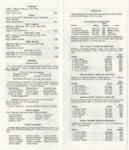
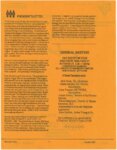
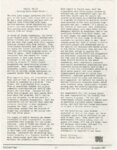
Show Congestion problems are increasing throughou t all the Salt Lake Valley, but most particularl y along the I-15/State Street Corridor. Growth projection s indicate that within this corridor there will be an increase in population of over 50 percent by the year 2010 and that the employme nt will increase by over 70 percent. The resulting travel increase will far exceed the cnpacity of the current road and mass transit systems. As a result traffic will seek pnrnllcl routes such as 700 East, 1300 East and lledwood Road, thereby adding to the congestion of these facilities. While the impacts of traffic growth will be felt all along the corridor, the most critical location will be that section of I-15 between I-215 at 6400 South and I-80 at 2400 South. Dy the year 2010 traffic demand in this section will be sufficient to fill six lanes in each direction; a doubling of the existing freeway. The Wasatch Front Regional Council, the Utah Transit Authority and the Utah Departme nt of Transporta tion recognized that neither improvem ents to I-15 nor improvem ents to the present transit system will by themselve s adequately solve this transporta tion problem. Therefore, in 1985, the three agencies along with the Federal Highway Administr ation and the Urban Mass Transporta tion Administra tion joined together to sponsor a study of the I-15 /State Street Corridor through the Salt Lake Valley. The outcome of this study will impact the Salt Lake Valley residents for the next fifty years. The engineerin g firm of Parsons Brinckerho ff Quade and Douglas heads a team of consultant s retained to conduct a detailed analysis of the possible alternative s and to perform an environme ntal study. Now in its second phase, two objectives are clearly identified: 1. To analyze in detail the possible improvem ents and their alternativ e combinatio ns that were identified as feasible solutions to the problems during the first phase, to analyze solutions presented by the public at scoping meetings during the second phase, and to determine the best or preferred alternativ e for possible implement ation in the future. 2. To determine the short and long term impacts of each alternativ e on the environme nt and to recommen d possible methods of mitigating any adverse environme ntal impacts. This alternative s analysis and environme ntal study is unique in that it is looking at a combinatio n of alternative s to be implement ed over the next ten to fifteen years. The highway and mass transit improvem ents which are being studied are described below. An approxima te constructi on or capital cost is also given. IMPROVEMENTS TO 1-15 IMPROVEMENT APPUOXII\'IA TE COST Rehabilita tion of 1-15; ie: pavement and bridge replaceme nt. $ 160 Million Minor operationa l and safety improvem ents to I-15, I-15 interchang es, and arterial street intersectio ns. $ 40 Wllion |