| OCR Text |
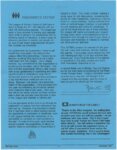
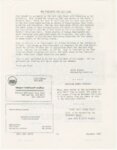
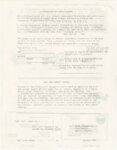
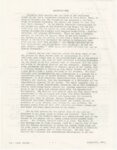
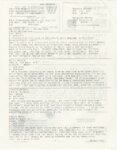
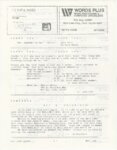
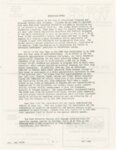
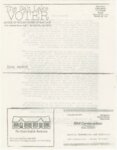
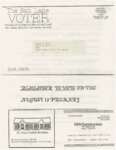
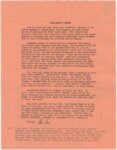
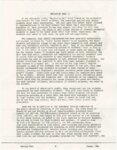
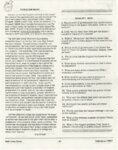
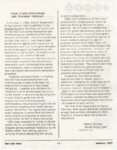
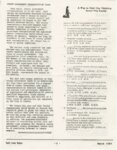
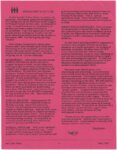
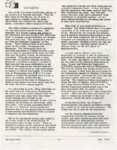
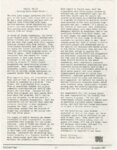
Show FOOD ST AMP EMPLOYMENT AND TRAINING PROGRAM On October 1, 1986, the U.S. Department of Agriculture (USDA) published in the Federal Register U,e proposed regulations for the new food stamp employment and training program mandated by the Food Security Act of 1985. The act requires that no later than April 1, ·1987 every State social service agency shall implement an emp 1oym en t and training program designed by the State agency and approved by the Secretary of Agriculture. As stated in the regulations, the intent of the new requirements is to insure that able-bodied food stamp recipients are involved in a meaningful work-related activity which will eventually lead to paid employment and a decreased dependency on assistance programs. Congress· principal intent in creating the new food stamp employment and training program was to increase the employment prospects of food stamp recipients. Congress also declared its intention to provide maximum flexibility to the States in determining the structure of each State's guidelines for an emp 1oyment and training program. Unfortunately , the proposed regu 1at ions do not reflect Congressional intent and are overly restrictive. The regulations contain many instances in which detailed federal requirements are imposed in areas that would better be left to State discretion. USDA was requested to "establish broad guidelines for an employment and training program giving maximum flexibility to the States rather than setting specific, detailed criteria concerning the various Salt Late Yoter program components." USDA has violated one of the major components of Congressional intent by imposing strict guidelines for State agencies. While Congress intended that USDA set guidelines ensuring that no State will fail to mount a meaningful program, standards set in the regulations appear to induce states to design the type of programs preferred by USDA Thus, the State flexibility mandated by Congess has been seriously undermined. In effect, the proposed regulations would be likely to force most States to design low-cost programs providing only minimal services to a large portion of the food stamp work registrant caseload. They would also forgo or restrict efforts to provide more intensive services to those with the greatest employment barriers. In addition, the USDA proposed regulations seek to impose specific numerical standards for compliance as of the date the regulations become final. Congess, however, allowed until October 1, l 988 to set numeri ca 1 standards so that State agencies would have the opportunity to collect substantive data for one year. Consistant data regarding State food stamp job research is a 1so lacking. The Utah State Department of Social Services, Utah Issues and other community groups have written comments to USDA regarding concerns about the proposed regulations. -Sheryl Gi 11 ilan Social Policy Chair +++++++++++ -7 - 1987 |