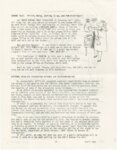
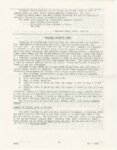
| OCR Text |
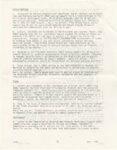
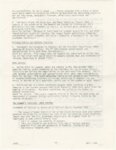
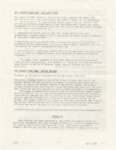
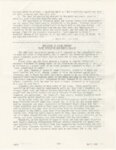
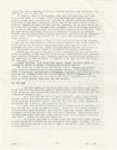
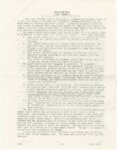
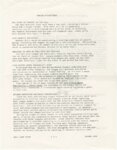
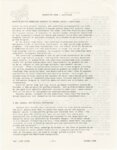
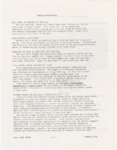
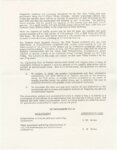
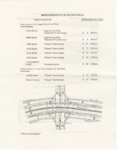
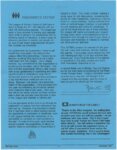
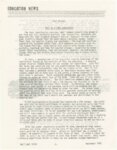
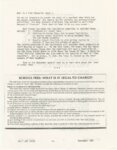
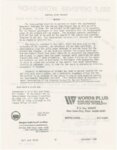
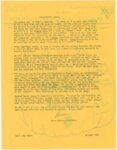
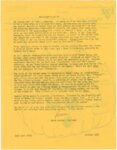
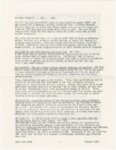
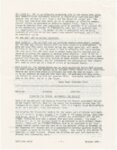
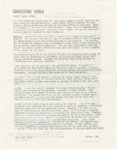
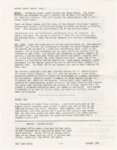
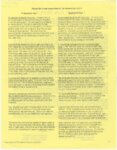
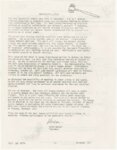
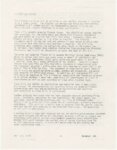
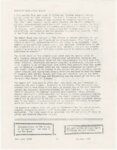
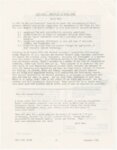
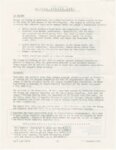
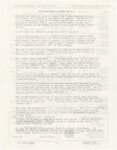
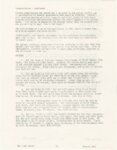
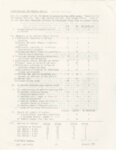
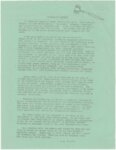
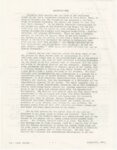
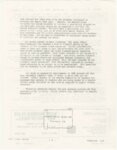
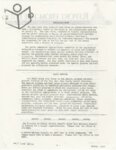
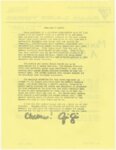
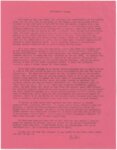
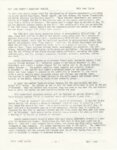
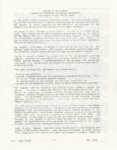
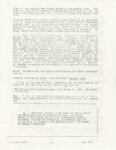
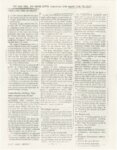
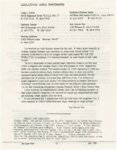
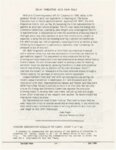
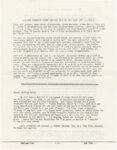
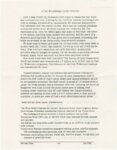
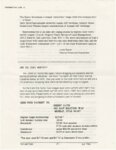
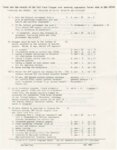
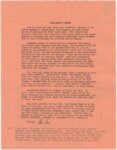
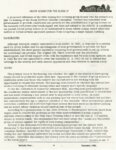
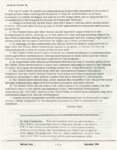
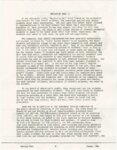
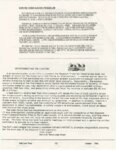
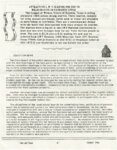
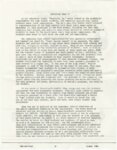
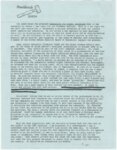
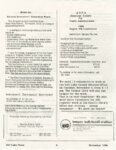
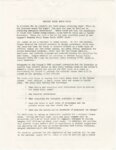
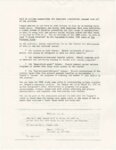
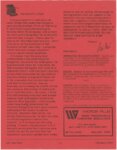
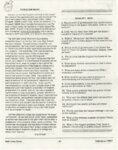
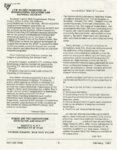
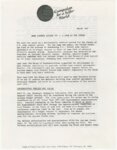
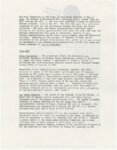
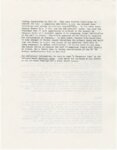
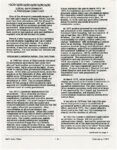
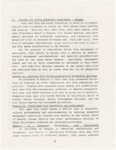
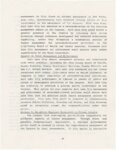
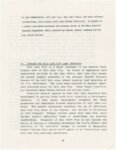
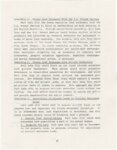
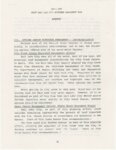
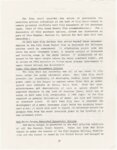
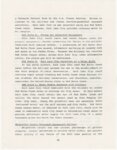
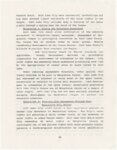
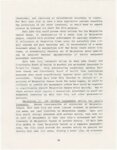
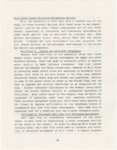
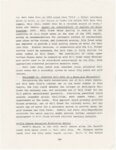
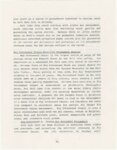
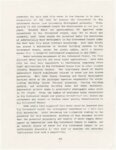
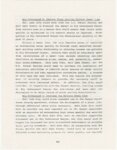
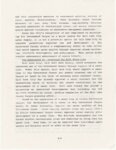
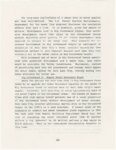
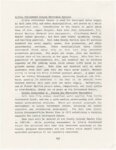
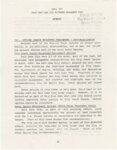
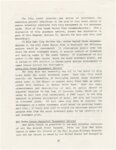
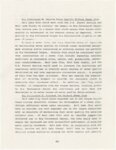
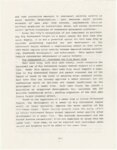
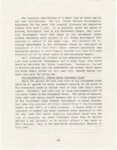
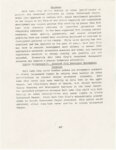
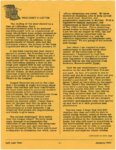
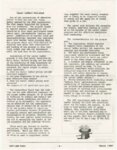
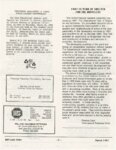
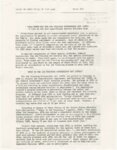
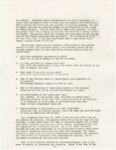
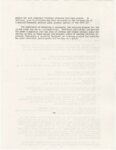
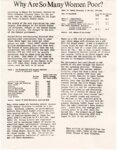
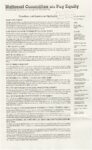
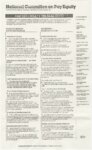
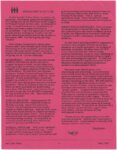
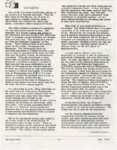
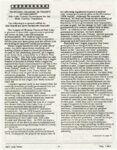
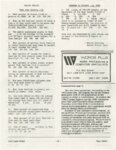
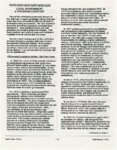
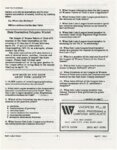
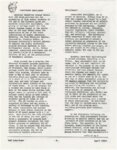
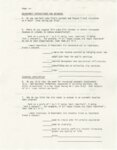
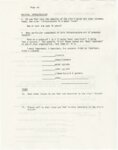
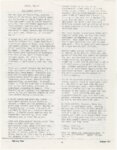
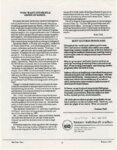
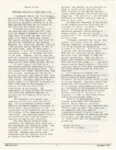
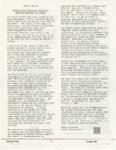
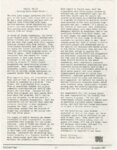
Show Why Are So Many Women Poor? According to Women for Economic Justice in their Economic Literacy Paper #1, the poverty rate by 1982 had climbed to its highest level in nearly twenty years. The growth of the poor population has come .1argely from changes in the United States job structure, changes in the United States ' family structure, and changes in the role of the federal government. United States manufacturing declined when multinational corporations fled to countries where wages are lower and labor unions are weak. Since 1980; nearly three million manufacturing jobs have .been lost. The Bureau of Labor projects that the ten occupations that will create the. most jobs between 1978 and 1990 will be sparsly unionized, held by women with pay below $5 an hour. (See Table I) The loss of manufacturing jobs caused many women with no other wage earner in the family to be iaid off since they, along with men of color, were the last to be hired. TABLE I Ten Occupations with Largest Absolute Growth iA Employment 1978-90 Percent female Janitors and sexton, Nurses' Aides and Orderlies Sales Clerks Cashiers haitcrs/Waitresses General Office Clerks Professional Nurses Fast Food Workers Secretaries TnJck Drivers Source: 14.6 84.3 60.3 8S.l 85.l 81.S 9S.8 8S.O 99.l 2.1 Median full-time weekly eamines for vomeri (1981) $188 167 1S4 166 144 222 lll 140 229 n.a. Bureau of Labor Statistics Bulletin 2121 Many other women are becoming poorer because their family structure is headed by a female. Divorced, widowed, or never-married mothers face a much higher risk of poverty than married mothers. Since 1970, the number of families maintained by women has grown from 5.5 million to 9.4 million: (See Table II} Rising divorce and separation rates and an increasing number of births to unmarried women, particularly teenagers, are the principal causes of the increase. Over one - half of the female-headed hou~eholds in the United States receive less than $11,000 in annual income. By 1982, 40% of the poverty ~opulation consisted of unmarried women and their dependents. TABLE II family Structure in the U.S. 1970-1gs2 Type of Household \ of All Households 1970 1982 Married - couplc/faJDily female - maintained family (husband absent) Hale - maintained family (wife absent) Non-f.ll:lily households (Unrelated persons living together or persons living alone 70.S S9.4 6.7 !.9 l 1. :_:-. 18.8 :6.9 Source: :'. . U.S. Bureau of the Census There is a 25\ risk of poverty for middle aged white women with children and a 60% risk for black women. A man's standard of living rises by over 40% one year after divorce while that of a ~offian with children falls by 70%. This i~ due, in part, bccaust women frequently teceive custody of children and receive little or no child support from the father and the inability to take jobs because of in~.dequate childcare. The government has contributed to the growth of the poor through the federal tax and spending policies. Evidence shows that under the current administration, there has been a sha;rp redi~.-stribution ~f income from lower and middle-income families to upper-income families. Tax burdens for families earning less than $15,000 actually in~ creased during the first Reagan term, despite an enormous ta~ cut for upper income families and for corporations. Tightened eligibility and decreasing. funding for a variety of social programs also deprived lower-income fami1:es of needed income and services. The decline in real benefits paid to recipients of Aid to Famil~es with De~ pendent Children (AFDE) began -even before the admir. istratio_n ' s more dr.a stic cut~. Since 1970, the a~_er-age pur- . . chasing power of an AFDC chec~ has fallen 36%. The proportion _o.f •female .headed families receiving AFDC also · began to fall in the mid-1970's. This article is reprinted fran the January, 1987, Voter of the League Women Voters of West Virginia. |