| OCR Text |
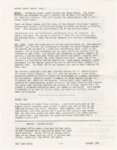
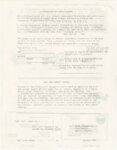
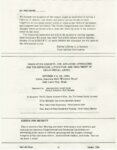
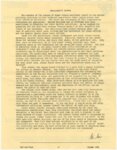
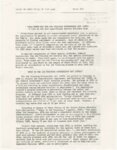
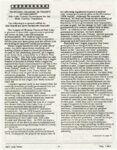
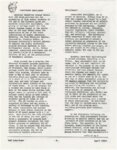
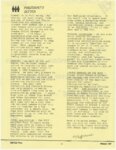
Show HA7.ARDOUS WA.\TEINCINBL\TORS ment. The ta!)k force determined thatcountv officials With the nine proposed hazardous waste incinerator fa- cilities seeking to locate in Utah, state government officials, industryrepresentatives, and concerned citizens have some some wrinkles to press. Amendments to the Hazardous and Solid Waste Act of 1984 (HSWA) have significantly modified waste management practices. More than 400 chemicals are now being banned from disposal in traditional landfills. The 5 solvent and dioxin portions of the rules went into effect in November 1986 and others will be promulgated overthe next three years. The majorimpactofthese rules will be to focus on an alternative form of disposal, preferably waste reduction or minimization. Other alternativesincludephysical /chemical/biological treatment ofincineration. According to the Environmental Protection Agency, the Unired States is below capacity inits ability to incinerate hazardous wastes. The normal time required forpermitting new facilities is 2 years. Two applications for hazardous waste incinerators have been filed with the Bureau of Solid and Hazardous Waste and two more are pending. This is posing many problems for the Bureau as regulations nipulatethatan applicationmustbereviewed within 180 davs of the date it is submitted. It has been estimated by the Bureau thatratherthansix months, it would take at least 12 vears to review the four incineratorapplications withoutadditional staff. should be left with the final decisions as to ~hether an incinerator should be built on a particular site. Whataboutpublicparticipationinthepermitprocess? The State held five informal scoping sessions in August, but the public comment phase cannot even begin untiltheincineratorsarealreadyconstructed! And whataboutEnvironmental Impact Statements (EIS) on these targeted areas? The Bureau of Land Management is current.!y doing an EIS on land where National ElectricJnc. proposes to build anincinerator in Tooele County. This is only because transportation and utilitv corridors would cross federal land administered by the BLM. The possibility exists that the other proposed sites may be endorsed by county officials and there are no requirements by law for an EIS in these areas; unless warranted bystrong public sentiment, participation and concern. To learn about the incineration issue please plan to attend the panel discussion on incinerators and workshops on groundwater, air quality and transportation scheduled for November 7 at the Newman Center. This is a League sponsored activity in conjunction with other community organizations. More details will be in the NovemberVOTER. -Kate Park, Natural Resources Chair The State lacks both the manpower and funds to process these permits. According to Joe Urbanik, member of the Utah Solid and Hazardous Waste Committee, citizens of Tooele Countv are also concerned aboutthe availablemanpowertoregulateandenforcecompliance once the incinerators are in operation; A special task force appointed by the Governor to study incinerato~ bas concluded that,a new source of funds is required so the Bureau of Solid and Hazardous Waste can hire staff and outside experts to review permit applications and monitorthe plants once they are built. Alikely source of money will be a significant increase in hazardous waste disposal fees , which are now only $3. 00 a ton. This issue is currently being investigated by another task force. CANYON LOVERSH The Na1imal Fm-est Senice open RBJ BlJITE CANYON to thepltic. SUNJAY. SEPTEMBER 27TH ALLDAY Tate the oppa1mily to ooioY this special place The incinerator task force also suggested thatthe 180day review period be extended and that the moratorium issue be delegated to the Legislature for further assess- Salt Lake Voter -5 - October 1987 |