| OCR Text |
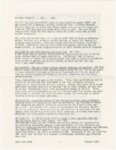
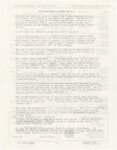
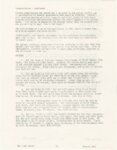
Show EDUCATION NEWS II In our education study, "Measuring Up," which looked at the graduatiori requirements for high school students, the committee queried high school students about their experiences. The Salt Lake City School board listened to representatives of tne high schools talk about their experiences on September 17. Each principal in the high school, including the Salt Lake Cormnunity High Scnuol, wa~ askea to send either seniors or recently graduated students to speak to the board about their high school experience. The students were asked to talk about the good and bad experiences. The corrmunity high school representatives were generally enthusiastic and thanked the board foL "tneir second chance" to be eaucated. The other students had positive things to say about their respective high schools and made very thoughttul critica~ remarks as well. Many of the remarks !X)inted out the weaknesses in the counseling process of students. (Just as Utah is last in tne nation in class size and amount of :rroney spent per pupil, Utah has the highest number of students per staff member as well. Generally, the Salt Lake High Scn~ol counselors are resp:,nsible for 400-550 students; this is nearly twice as many students as many experts recomnend.) Students criticized tne lack of encouragement to take Advanced Placement classes. One student criticized the inability to move from lower academic placement in some courses to a higher one. In the case of her high school, English placement is made at the freshmen year on the basis of one test. This same student recorranended that students be allowed to take classes in other schools, pointing out Highland's excellent televsion media class and East's graphic classes. Large class size and little money for supplies were noted by two students. Several noted that they received little information about college possibilities and financial aid. The graduate of the Corrnnunity High School noted also the necessity for career planning for males and females. Too much parental influence, particularly in athletic programs, was noted by one student. To the Board of Education's credit, they recognized that the students represented the most successful students. They will also listen to students who have not been successful in regular high school programs and attend alternative programs at a later date. The Board also expressed a desire to "rap" further with the students. Also it should be noted that two out of the four high schools, South and West, have female student body presidents! News was not so p:,sitive at the September interim committee of the public education comnittee of the legislature. The state Board of Education and tne Society of Scnv0l Superintendents presented their budgets for 1987-88. The BOE budgets presented looked at the 6% reduction (from 1986-87), the same budget as this year and another at a 6% increase in this years funding, as asked of all state agencies by Governor Bangeter. The outlook is bleak foL Utah students and teachers. If asked to come up with a 6% decrease (or $38 million), the BOE recorrmended doing away with subsidization of high school lunch programs and driver education behind the wheel, increasing the distances at which secondary students are provided bus tranpsortation, reducing school building aid, reducing the special purpose optional programs by 40 % and providing kindergarden three days a week. A budget the same as this year would include money for wnat they term new and innovative programs: programs for "high risk students", new Salt Lake Voter -8- October l 986 |