| OCR Text |
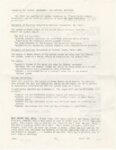
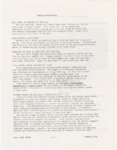
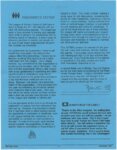
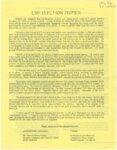
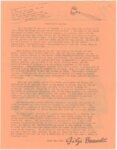
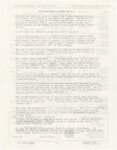
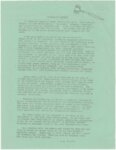
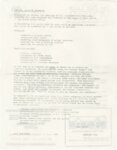
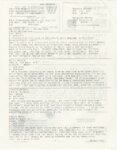
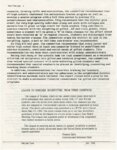
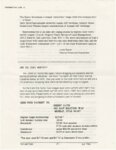
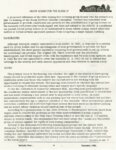
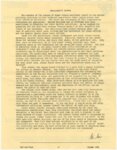
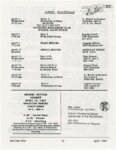
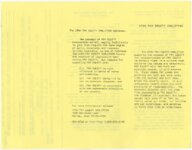
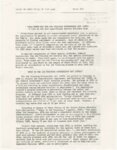
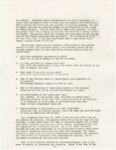
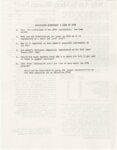
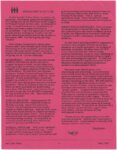
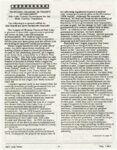
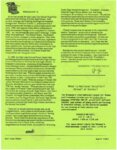
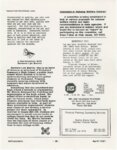
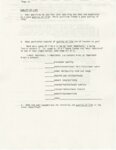
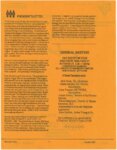
Show MEETING BASIC HT.W.../\N NEEDS Is everyone who is eligibl~ for food stamps receiving them? Where do the honit:less spend the night? How much rt:d tape is involved in Where could you turn for assist~nce obtaining emergency assistance? if faced with sudden unemployment, large medical bills anci uo health insurance? These arc just a few of the many questions posed by the League'e. Meeting Basic Human Needs (MBHN) study. Th~ League is cot a newcomer to these issues. In 1971 the national League adopted its current position on income Qssistancej which over :he years has been the basis of advocacy efforts on a wide range of critjcal issues for low-income people, i~cluding federal standards for income assistance programs, child care for low-income familiE:E, employment and training programs and medicaid funding for abortions for poor women. League members can continue to address Social Policy concerr.~ t,...hile the study is und~rway, usinr, existing LUVUS, state Gr local positions. Delegates to the League's 1986 national convention had the foresight to realize that welfare reform is once again looming large on the nation's domestic rolicy agenda and adopted the MBHN study as a means of positioning the League tc address the critical issues that will be raised in the upcoming pclicy debates. The study will focus on meeting four basic human needs in the United States: food, shelter, a basic income level and access to health care. The study will address the following: * What skills and resources must individuals have to provide for these basic needs? wbo requires assistance? * What resources are currently available to them? * What are roles of each level of government and the IJrivate sector and whs.t: should they be? * What are the merits anclior drawbacks of proposals for chs.nge? The MBHN study is taking an innovativ~ approach for a national League study. During the first year, stat~ and local Leagues will be developinE, profiles of tht:ir state or community designed tc provide Leagues with information about unmet needs. In addition, the profiles will provide League members with an opportunity to discuss suggestions ior improving the delivery of social services with elected officials, program administrators and caseworkers. The material gcthered for the completi0n of the profiles will ~e sent tc th~ national League offic~, where il will be analyzed and a report |