| OCR Text |
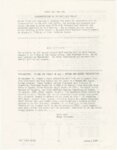
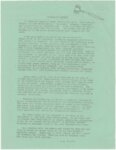
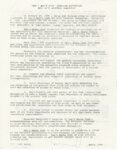
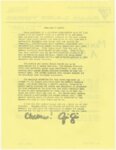
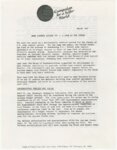
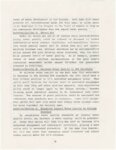
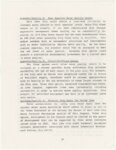
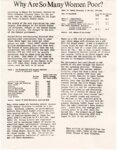
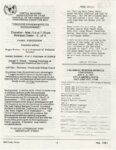
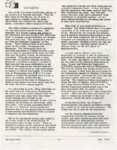
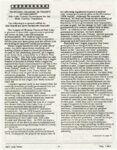
Show LEAGUE OF WOME~ VOT[k3 OF SALT LAKE Ma rch 1987 urAH WOMEN AND THE JOB TRAININ:; PARI'NERSHIP ACT (JPrA) A Look at the Salt Lake-Tooele Service Delivery Area Fifty-three percent of all female-headed households live in poverty. The feminizatio n of poverty is a well recognized social phenomenon of the the 1980's. For those women who are responsible for families, the necessity of finding .employment is paramount. Lack of education and marketable skills often hinder women who seek employment. In addition, these women are frequently hampered by the barriers of low pay for available jobs, lack of affordable child care and limited work histories. (In 1985 women earned less than two-thirds of what men earned.) In partial recognition of these special problems, federal legislation , the Job Training Partnership Act, has special provisions relating to women. This brief paper, to be discussed with the publication, "Utah Women and the Job Training Partnership Act" that will be distributed in late March by the League of Women voters of Utah, will provide an introductio n to the job training program in Salt Lake and Tooele Counties. WHAT IS THE JOB TRAINil"K; PARrNERSHIP ACT (JPrA)? The Job Training Partnership Act (JPI'A) was passed by Congress in 1982 to replace the Comprehensive Employment and Training Act (CETA) as the federal government's major training program. The purp::>se of JPI'A is "to prepare youth and unskilled adults for entry into the labor force to afford job training to those economically disadvantag ed and other invididuals facing serious barriers to employment." The legislation created a program promoting a partnership between the public and private sectors at the local level to design and implement job training programs. It differed from CETA in that funding was at less than onehalf that of the 1978 CETA appropriati on, "living stipends" were eliminated and spending on "supportive services" such as child care and transportat ion was limited to 15 per cent of total funds. (However, a Governor may waive that cap of 15 per cent.) According to League of Women Voters of the United States Education Fund publication , "Women in Job Training," (January, 1986): "rrwo years after its inception, JPI'A was called a remarkable success by the Reagan administrat ion. JPI'A's achievement is seen in its nurrbers: a $3.5 billiona-year program--le ss than half the funding level of CETA--has trained 711,000 people, more than 90 per cent of them disadvantag ed, since October 1983. Nearly 70 per cent of trainees have found jobs." Despite that success, criticisms that JPI'A is neither reaching the hard-core unemployed nor providing for the special needs of women have been voiced. As the LVW publication points out, 11••• the major shortcoming of JPI'A is in the tendency of program officials to select participant s who need only minimal training and who would probably find jobs on their own. Other serious problems with JPI'A include the lack of funds for support services such as child care and transportat ion." These support services are critical if women, particularl y recipients of Aid to Families with Dependent Children (AFOC), are to participate . |