| OCR Text |
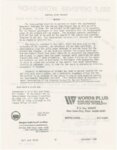
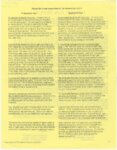
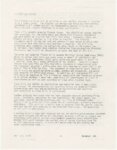
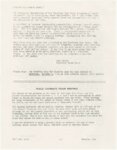
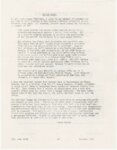
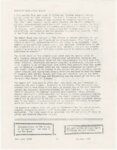
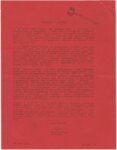
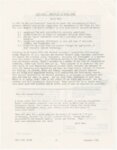
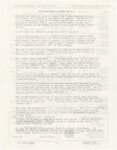
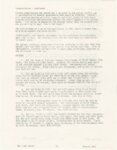
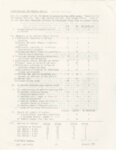
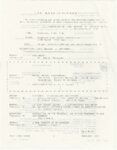
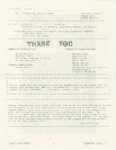
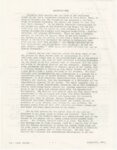
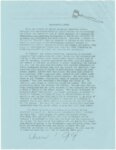
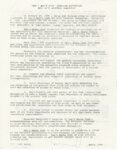
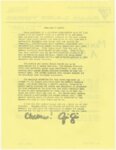
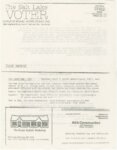
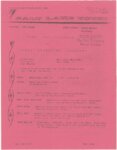
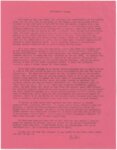
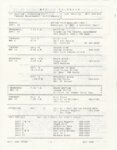
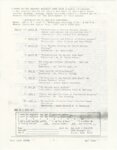
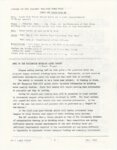
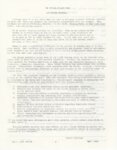
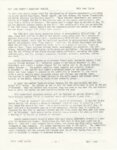
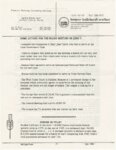
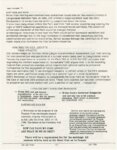
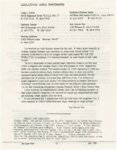
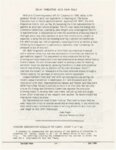
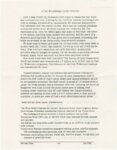
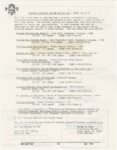
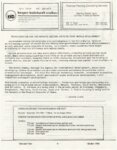
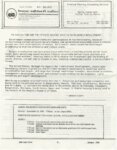
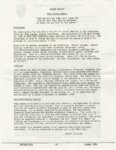
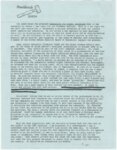
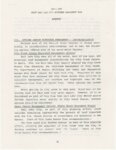
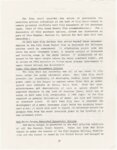
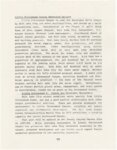
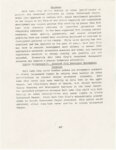
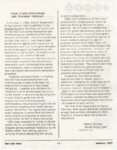
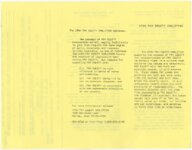
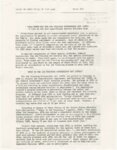
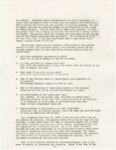
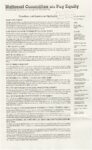
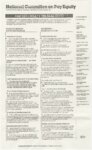
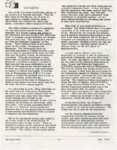
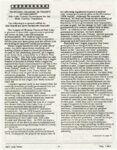
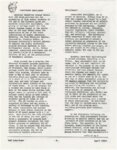
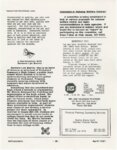
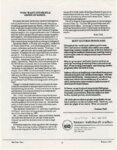
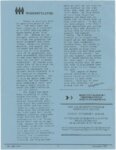
Show Nation al Cornmittee on Pay Equity 1201 Sixteenth Street, Northwest• Room 422 • Washington, D.C. 20036 • 202/822-7304 • EXECUTIVE DIRECTOR The cost of pay equity is frequently cited by employers as an overwhelming reason they cannot implement equitable wages ... but the facts indicate otherwise. As 1wo states' responses to the problem of wage discrimination in their own workforce show, voluntary pay equity measures are affordable-and inaction resulting in litigation costs more. WASHINGTON STATEINACTION/LITIGATION Study Shows Pay Gap ln1974, the State of Washington, with a total • workforce of 30,000, commissioned a comparable worth study of 121 selected job classes in its civil seNice system to investigate the existence of sex discrimination against individuals working for the state in female-dominated jobs. The study, performed by an independent • consultant, revealed that, overall, jobs held primarily by women were paid about 20% less than jobs with the same evaluation points held primarily by men. The study was updated in 1976, 1979and1980, • each time confirming the discriminatory disparity. State Accepts Study Results . .. but Does Not Act No steps to correct the gap were taken by the legislature. In 1976, outgoing Governor Daniel Evans recommended appropriations of $7 million in the 1977-79 state budget to begin wage corrections-but his successor, Gov. Dixie Lee Ray, deleted the item from her budget. Each time legislation to correct the undeNaluation of jobs was introduced, it was defeat ed. Cost would have been 5% of Annual Payroll The total cost of correcting the discriminatory gap was estimated at roughly 5% of state payroll budget-however, the eventual back pay resulting from the state's inaction has driven the cost far higher. State Inaction Prompts Lawsuit In the absence of state action, AFSCME, the union representing state employees, filed charges in 1981 against the State of Washington under Title VII of the Civil Rights Act, which forbids wage discrimination based on sex. Only after the filing of the lawsuit did the legislature begin wage correction. In 1983-nine years after the completion of the original stud','-----the state passed legislation committing the state to pay equity by 1993. $1.5 million was also appropriated to begin wage corrections. Court Rules State Discriminated MINNESOTAVOLUNTARY ACTION Study Shows Pay Gap In 1979, the State of Minnesota. with a total • workforce of 30,000, performed a general classification and comparabilty study of 762 job titles in its civil seNice system. The study revealed that job titles held • predominantly by women were undeNalued. State Takes the Initiative In contrast to Washington State, the Minnesota • legislature responded by initiating legislation to require pay equity in the state workforce. Cooperative Process Set Up In October, 1981, a legislative advisory body, the • Council on the Economic Status of Women. established a Task Force on Pay Equity as a vehicle for all interested parties to work cooperatively. The Task Force included the State Office of • Employee Relations (OER), state employee unions and Sen. Linda Bergland, legislative sponsor. Using the state's existing job point evaluation • system, the Task Force put together a pay equity report estimating the undervaluation of traditionally female jobs. Cost is 4 % of Annual Payroll • The total cost of the correction was identified to be 4% of the state's annual payroll cost. Legislature Phases in Correction By March of 1982, a pay equity bill had been • passed which provided fora four-year phased-in correction of inequities identified in the study (that is, the state's payroll budget would be increased by1% each year for four years to pay for correcting discriminatory wages.) One factor reported to have influenced • legislators was a state university suit involving other equity issues which cost more to litigate than would've been required to rectify the inequities. Between the time the legislation passed and the • appropriation was due, AFSCME, the union which represents MN state employees. worked extensively to educate its membership on the changes. The lawsuit filed by the employees' group went to trial in August of 1983, and one month later Federal District Court Judge Jack Tanner found Washington State government to be guilty of "direct, overt and institutionalized" discrimination against occupants of all its predominantly female jobs. Also during this time. a supportive new governor, Rudy Perpich, moved into office and a new head ot OER, Nina Rothchild, was named-resulting in an even more favorable political climate and important top support. Back Pay Awarded, Cost Rises The first installment of the appropriation for wage increases was made in January of 1983: $21.7 million was specially earmarked to cover the first 1wo years of the phase-in. In December, 1983, Judge Tanner awarded immediate wage corrections to employees in female-dominated jobs and back pay going back to September, 1979. The back pay award which resulted from the state's refusal to make corrections voluntarily has driven up the cost for Washington State to over 25% of state payroll. Distribution of Corrections Bargained • The actual distribution of this amount was negotiated through the usual collective bargaining process for union contracts, with funds assigned to the various bargaining units based on the number of underpaid classes they represent. FORMOREINFORMATION:CONTACTTHENATIONALCOMMITTEEONPAYEQUITY l ' Claudia E. Wayr,e l CHAIR ! Nancy Reder i League of Women • Voters TREASURER • Carole Wilson International Union of Elechical. Radio crd Machine Wakers BOARD OF DIRECTORS American CMI Liberties Union American Federaticn of State, County and Municip::il Employees American Nurses' Association Busines-5 and Professional Women's Fourdation , Center for Women in '. Government ' Coalition of Ld:xx Union Women Communication Wakers of America Industrial Union DeJ:x]rtment, AFL-CIO f Mexican American '. Women's National ; Association , National Education ; Association National Organization for • Women 9to5: National Association of Wcxking Women Organization of Poo Asian American Women ' Service Employees International Union United Me1hodist Church IJ.'omen·s Lege! Defense Fund |