| OCR Text |
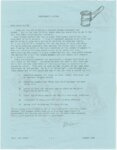
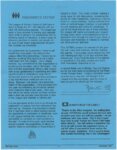
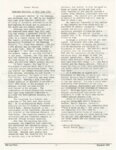
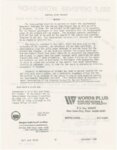
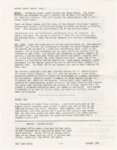
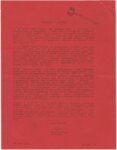
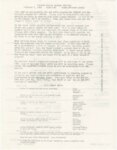
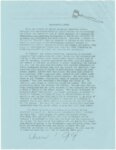
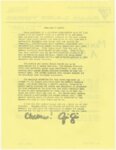
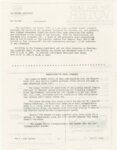
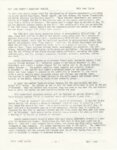
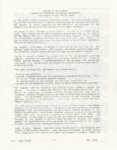
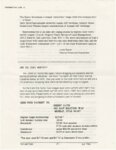
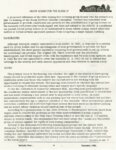
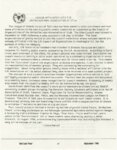
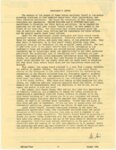
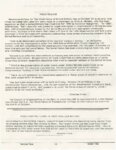
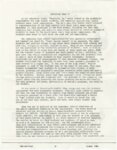
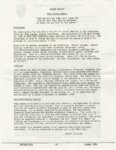
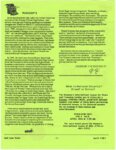
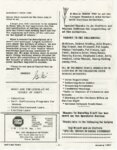
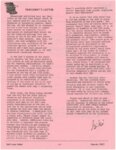
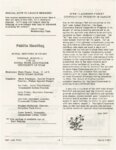
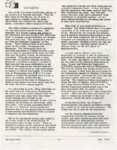
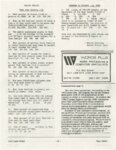
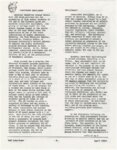
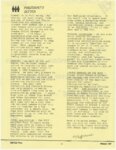
Show UTAH WINTER GAMES FEASIBILITY STUDY As a result of Salt Lake 1 s program-making meeting,the board has recommended that the League study the Salt Lake Olympic bidding process. Since I am.a,l~me-duck President looking for work, I offered ·to monitor this feas1b1l1ty study•s progress. I met with Brad Barber State Planner who sits on. this committee, and have attended the Committee me;tin·g he.Id on March 13 wh1ch heard a lengthy report from the consultants and addressed Mayor Wilsonis find·ings on the May 15th deadline date for bidding and his reactions iTom visiting Calgary. The Feasibility Committee's final report is due April 30th. Their origina1 plan was then to prepare a summary which they would distribute to the pub1 ic and conduct public hearings and presentations througho-ut the val 1ey. The May 15th deadline could move up their timetable considerably, or kill the project altogether. However, if the project remains a1·ive~ these surrmaries would be available to league members, and we could have a general meeting with a presentation.. The committee would n ke to see the League take a position. The Feasibility Study is extensive but certainly not as comprehensive as the bidding process would be. So the question is: how involved would the league like to be in this process, and if Salt Lake does bid for the Olympie's would league members like to be involved and have input? The Committee was formed to prepare a major feasibility and impact study .. The major questions were: 1 - Can we do it?, 2 - Should we do it? The study deals with economics, construction cost and impact, and long range impact. Cost of the initial study is $200,000 which is funded half from state, county and local government and the second half from private donations~ One of the major components of the consideration to bid is what wi11 be the community support. It was planned to take a public poll after two months of media exposure to determine if the community wanted the Olympics in Utah. This whole process might be altered by the earlier bid date. Even as things are rapidly changing, I would like to throw out some interesting statistics. The bidding process from the original committee through to acceptance of our bid by the IOC (Intern at ion al Olympic Cammi ttee} 'Could cost up to $2 million dollars. Rough estimates of the cost of the Olympic I s range from $500 mi·ll ion to $800 mil 1ion, depending on the amount of new construction. There will be 1900 athletes, 3000 more in coaches and officials, and approximately 150,000 out of town spectators who will be in Salt lake for two weeks. One of the transportation issues being proposed is a tunnel between Big and Little Cottonwoodi which costsapproximately $100 mill ion.. Major emphasis on sites has been based on their long range use, i..e. expansion of Rice Stadium to include a dome, expansion of the Fair Grounds. This isn•t a fair summary cf the work the fe11sibility Committee is doing, but for me it is stimulating thought and somett'dng I think the League wou1d like to have input on~ Many of the proposals under consideration are looking at long range plans that wi11 benefit the traffic problems in Salt Lake and also the access to our mountains as our tourist and ski economies expand. Whether or not the League would feel comfortable developing a position from a committee study is still debatablea The environmental impact on our city and state must be taken into consideration and protected. Hopefully this will give you food for thought for Annual Meeting~ Nanette Benowitz LWVSL -13- April 1985 |