| OCR Text |
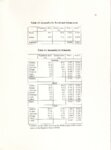
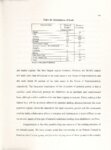
Show 199 unlimited) to economic coalition of two to their of two The resources. regional regional states) or more advantage at the expense of other The strong possibility that the ethnic groups and its or more the ethnic of the configuration revenue some varying sizes not raising capacity, regional states relatively better tax are course regional differences are Representatives regions together both houses disadvantage workings states ethnic groups. or can be controlled for distributive conflict implication states and and geographic geographically large from the coalition are a result of in the federal nature of the federation has created in terms of depend a by political representation and have population sizes, on resource relatively are regional but also small and as, gives these richer regional states. of smaller regional more states. control of the economic However, shifting coalitions of the federal government since no one region can these Politically, of than two-thirds of the seats in both houses. regions as transfer from the federal government, and House of Federation. Under the current arrangement, the more well economically reflected in the number of seats in both the House control Hence potential. huge population bases and administrative structure. Others comes representative (or administrative infrastructure and economic weak and will continue to which of its ethnic party federal government regional only or their control of the federal government can use government. It has been noted that the ethnic states of state biggest Controlling resources can Peoples to the destabilize the manage to have a majority in both houses. More important, however, is the representation in House of Federation. This house decides the modalities for the redistribution of fiscal resources, and controls the economic fortunes of the regional states. Representation as such to this house is |