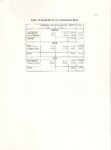
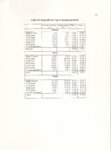
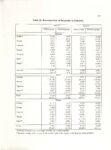
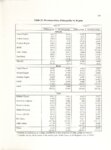
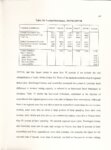
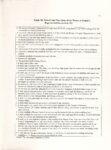
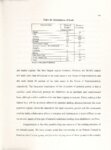
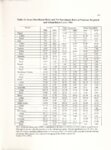
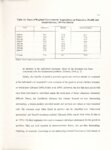
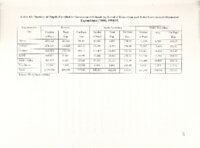
| OCR Text |
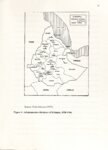
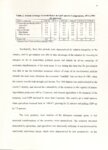
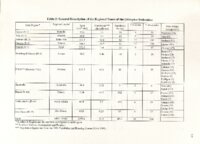
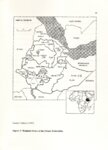
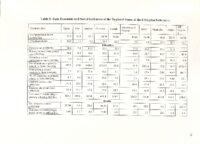
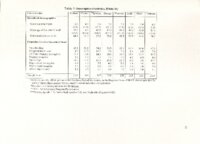
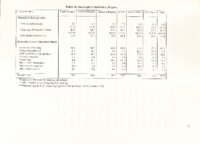
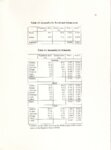
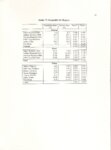
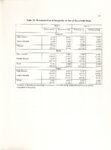
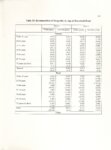
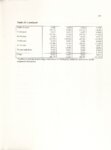
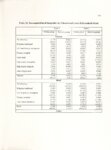
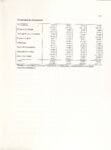
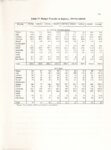
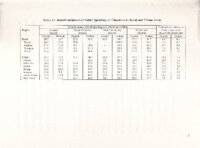
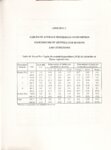
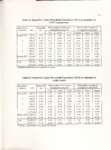
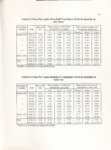
Show 70 Those regions classified as least central government, both in by the the policies same different sparsely inhabited they escaped government. But it the central government resources regions were and two of the regions in this group reason They peripheral to the have been least affected the extractive economic these One regions. that have been regions and economic terms. nature of the central whatever are government of previous regimes, which is good and bad Good because time. on political of the central repressive political miss out developed neglected was was was (Afar at policies and also bad because they able to channel to the because most of them and Somali) are are home to pastoralists. However, this general classification masks the variability in economic and social conditions within regions. Indeed, most economic and social indicators show that differences in economic and social conditions within differences between regions. indicators for the nine Tigray regional Table 5 presents regions, excluding state has the Gumuz, and SNNP regional highest and primary percent. With participation a Oromiya regional the large number school pronounced than of Addis Ababa and Dire Dawa. Afar, Amhara, Benshangul poverty levels above the national average. In states participation are rates of Somale, with Afar and only 8 percent and 11 rate below the national average, the Amhara and the states have below average of rural city-states developed regional secondary are more summary of basic economic and social level of poverty, while states all have the education sector, the least average the a regions performance. population in these regions. This is a reflection of same with respect more The pattern is the of |