| OCR Text |
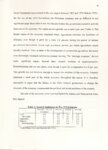
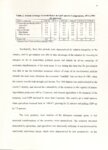
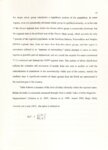
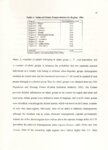
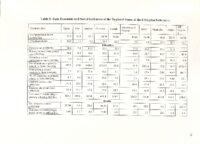
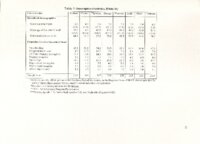
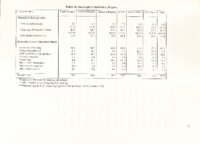
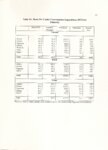
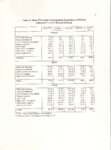
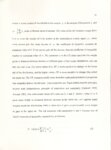
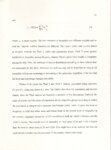
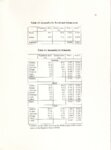
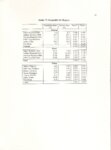
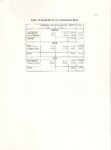
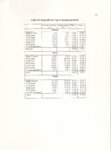
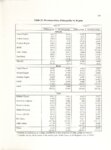
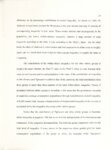
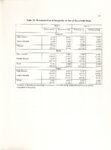
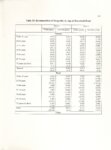
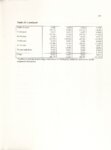
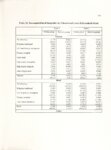
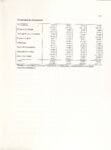
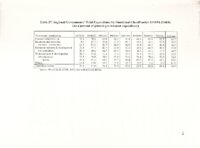
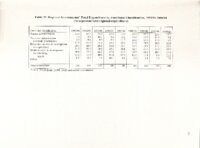
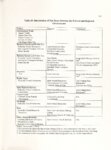
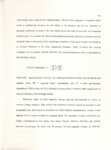
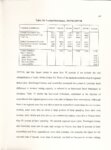
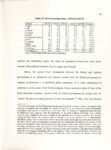
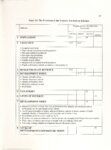
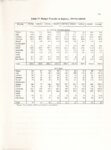
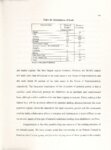
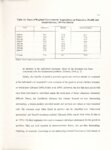
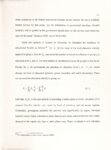
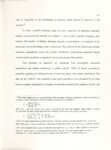
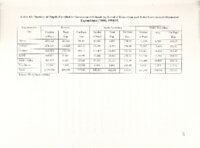
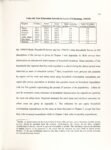
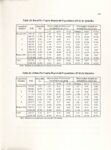
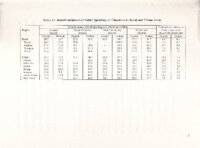
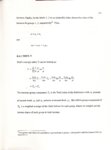
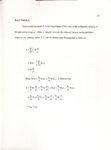
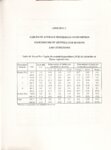
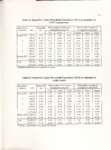
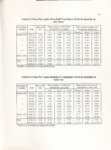
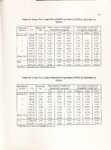
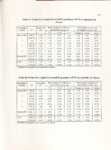
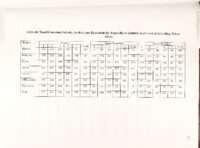
Show 176 lead to inequalities III the distribution of benefits, which should be captured III the analysis.Y In short, benefit incidence a the government imputes subsidy schools. The number of children public unit cost of providing education expenditures whether total subsidies data are spending schools in each schooling. Thus to the education or basically quintile attending quintile is state multiplied by (expenditure quintiles) calculated public from the shows education government schools. Table 43 shows government schooling along per expenditure by number education poorest group of households. are for different levels of on calculated, the distribution of state the welfare distribution for 1994/95. Unit subsidies total government 49 attending targeted on public spending children in each welfare and student enrollment in expenditure education is on year of across expenditure Unit a of study with student enrollment. The pupil expenditure are calculated of students enrolled in the by dividing respective Where data limitations prevent an analysis of these regional variations, equation analysis. But if data permit, benefit incidence involves the estimation of: (1) levels. The must be the basis of the 3 11 Xj = E ijk "" '" L;L.J ik k=1 Ej ;=1 region specified in the unit cost estimate, there being subsidy (S) accruing to the group is given by: where the k subscript distinguished. The share of the total education Xj = denotes the It Eijk E, (SiSjk J = n regions LLeijkSik k=l ;=1 Clearly, this share (and indeed overall inequality in benefit incidence) is determined share of the group in total enrollments at each level of education and in each each level of education and The e and s (eijk ), factors: the and the share of The e's reflect household emollment govermnent spending allocations across regions and the levels of variables can be defined also for other sectors." (Demery 2000, p. 6) decisions, whereas the s' s schooling. region in total education spending (s ik ). region by two reflect |