| OCR Text |
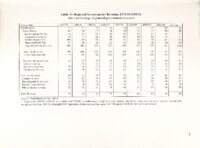
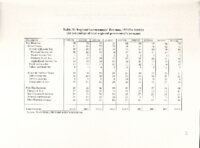
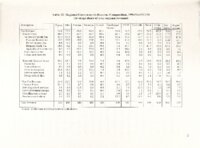
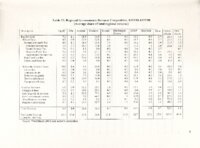
Show CHAPTER 4 INTERGOVERNMENTAL FISCAL RELATION This for the looks at the chapter of capacity regional states to concluded that the decisions and the federal system: intergovernmental providing fiscal relations and their implication promote equitable development. In chapter 3, I performances of regional states determine the basic services to the people in of way. Since equitable an success aggregate inequality in the country is largely explained by inequality within ethnic groups and within of what regional states, promoting equitable access do is critical to the overall regional governments to basic services among ethnic groups and policy regional governments. However, the fiscal arrangements between the federal government and the regional states responsibility their are for expenditure percent of their chapter "optimal." public expenditure, While their needs. This has created revenue sources are that this objective not dependence on This states a perpetual vertical assuming increasing are revenue sources are not growing as much as imbalance. More than 70 transfers from the federal government. I argue in this central of the federal government: that of independent regional regional government's largess creating a genuine undermines the very federation of significantly states. dependence on the federal government of the federal program. The federal program, regional governments, was can also undermine another objective by decentralizing decision making to intended to deflect the center of conflict for economic and |