| OCR Text |
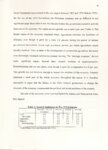
Show 53 socialization of agriculture proved to be difficult and all the measures taken resulted in complete failure. Agriculture was the dominant sector when the Revolution characterized by subsistence agriculture, and importance of devised the agriculture. of of collectivization The Land Reform agriculture. During of policy the were Anniversary millions of the measure famine It This famine provided was an the excuse, collectivization and began to force a time the The program North to the was supposedly virgin and rainfall detractors accused the was stated that the program resettlement was the norm. a famine took the lives of agriculture. Using government stepped up its policy of agricultural peasants into collective farms. areas was the program The program was voluntary, Another also begun after the 1984 famine-prone areas of the of the South and the West where land adequate. was of productivity for the collectivization transformation of government of depopulating particularly Tigray. Moreover, military government clear indication of the structural weaknesses of intended to resettle peasants from sparsely populated Realizing the low. government celebrated the devastating A massive and controversial resettlement program famine. was various incentives for collective farms. by the 1984, provisions It Revolution, the government pursued sector and the failure of the socialist as the represented, of the 1975 had of the Revolution. In was the solution to the low very few collective farms Ethiopians. agricultural as the first ten years of the voluntary collectivization. However, there Tenth and the social class it agriculture policy productivity erupted. policy was areas was intentioned, but of resistance in the poorly planned there well and executed. significant was its North, Although it evidence that forced initiated after the 1984 famine was the |