| OCR Text |
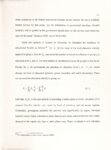
Show 171 sector: central, regional, zonal, woreda, and institutional.Y The functions of the central of Education have been reduced to Ministry broad educational procedures and planning for program fundamental educational standards programming, maintaining implementation, needed. This function of the central setting and ministry technical providing policy, and setting assistance where is derived from the constitutional provision about the role of the federal government, where Article 51, Section 3 states: "It shall establish national standards and basic criteria for the evaluation of policies in public health, education, science, technology, culture." Hence, within this general provision, the for responsibility development programs and regional states primary and are also secondary schools, Needless to say, the enable regional governments to and for use means Moreover, there have and of primary their language, been changes addition, resources training (World of the ethnic federal system among others in most regions is respective regional things, now as for Bank was to medium of conducted in the state. the devolution of the education sector to that the federal structure has in effect put one regional of the main social in the structure of formal education. Between 1962 and 1994, general (grades 7-8); and senior divided into three levels; primary school (grades 1-6); junior school (grades 9-12). Education reforms in 1994 revised the structure so that it was states. In regional school teacher reason educational secondary for the allocation and management of of the ethnic group that dominates the governments secondary jurisdiction primary schooling Economically speaking, education is the primary political instruction in schools. Indeed, 47 executing primary projects responsible 1999a). language and planning now consists of primary achieving functional literacy and grades 5-8 prepare (grades 1-8), grades students for further education; general secondary education (9-10), which enables students to identify areas of interest for further training; and a second tier of secondary education (grades 11-12) that prepare education students for where higher education. 1-4 aim at (W orld Bank 1999b) |