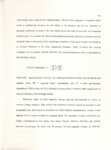
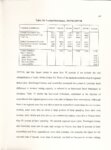
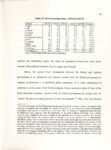
| OCR Text |
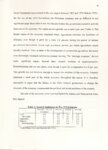
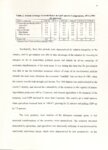
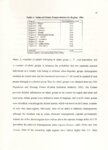
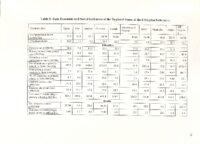
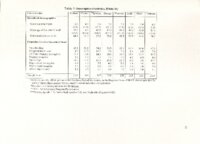
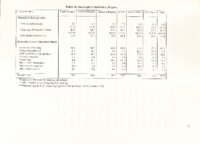
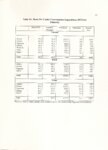
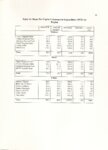
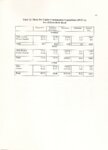
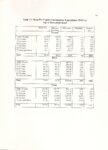
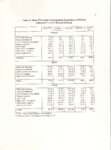
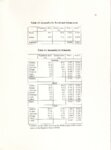
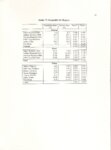
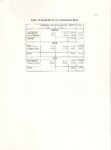
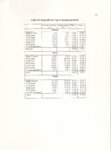
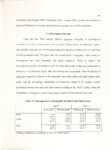
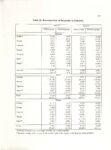
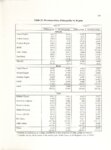
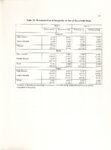
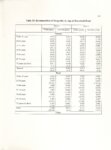
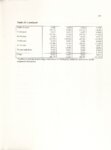
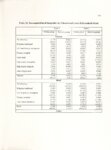
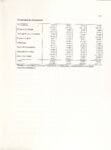
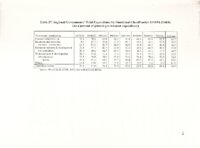
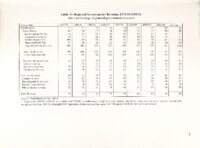
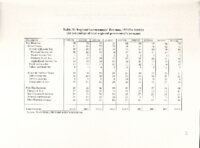
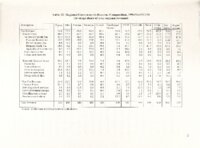
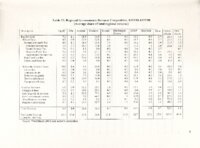
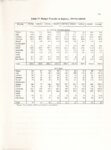
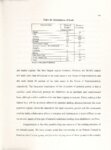
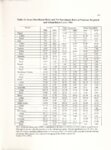
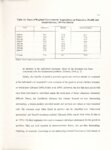
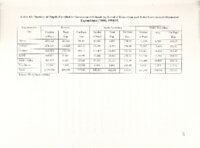
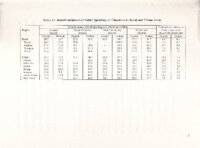
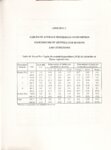
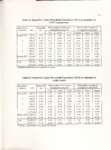
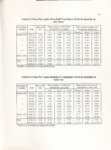
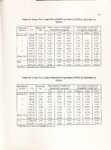
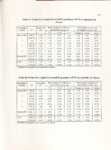
Show 110 difference in the percentage contribution to overall Amharas in rural areas account for 48 corresponding inequality in rural inequality according As shown in Table These results indicate that areas. inequality explains to the Theil T than a heterogeneity large portion to the Theil L index. according hand, the share of Amharas in total income and total population in urban equal, and as a 16, percent of the total income and only 41 percent of and hence within-Amhara population, inequality. result their contribution to within-group inequality is in the of total On the other is areas roughly the roughly same at 47 percent. The contribution of the within-ethnic roughly the same whether the Theil T index share in total income and in total within Dramas and these groups is inequality in Tigrayans more than population average will still remain accounted for high, three-quarters is is the same. used, because their If the contribution of because a of the total within-ethnic larger portion negative. inequality Amharas, the total contribution from the sense inequality. Hence, if that the government succeeds consumption expenditures through redistribution, by the inequality that inequality for the other ethnic groups is the Theil L index is remedied, in of interpersonal overall inequality inequality in the country is exists within ethnic groups. Notice that the contribution of ethnic or is added to that of the between ethnic groups is equalizing inequality Tigrayans and other ethnic groups to between This has to do with the interpretation of the between-group component of the inequality decomposition. The between-group component refers to the ethnic groups gets the mean total level of inequality if every person in the consumption expenditure of the group as respective when, for example, every Tigrayan's |