| OCR Text |
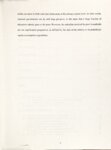
Show 41 most of them benevolence. from humble came Haile Selassie did not realize that he proved Haile Selassie never to be the personally case. success to gave much attention doing just that Haile Selassie sought was in 1974. In other not able to produced conspired to nurture around his nemesis. The emperor was class much trying to undermine. to a class of development intelligentsia overthrow him. change-oriented words, the class of educated Ethiopians that imperial government eventually solidify sufficiently his absolutist became his position so as came to spite of Haile Selassie's efforts to found his more imperial system modem ideas and methods of governance, the system that characterize his government emperor continued to rely on can be broadly described religious-traditional the essentials of the Haile Selassie government, elements for as of eventually "traditional." The legitimacy. Summarizing Clapham wrote: depended first of all on the position of the Emperor. He was the keystone who held the different elements in the country together in a single polity; he was looked up to as the universal provider, whether in matters of executive, legislative, judicial or military, and as the defender of the Faith and the protector of the people; he had to authorize every major decision or initiative of the government; and he was constantly busy even in minor administrative affairs. (Clapham 1968, p. 181) It to social forces. In summary, in on who They eventually manage the inevitable contradictions between elements of the status quo and the government "his a creating The modem education system to whose his efforts and acknowledged succeeded in was coherent than the traditional elites whom he politically And this and owed their " Unfortunately, more backgrounds |