| OCR Text |
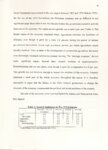
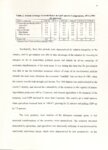
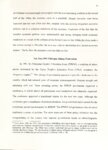
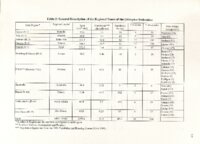
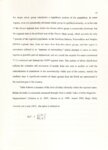
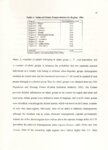
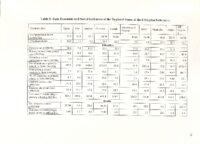
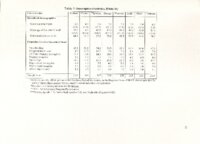
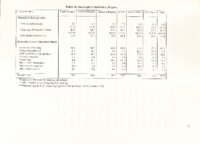
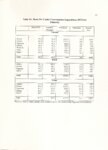
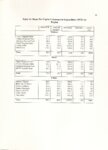
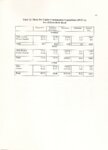
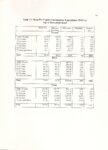
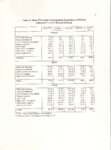
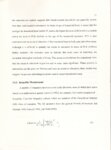
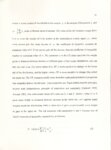
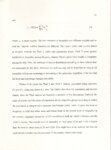
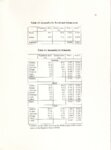
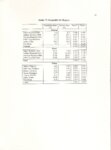
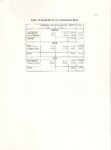
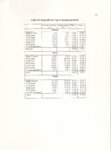
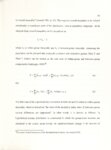
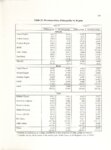
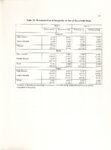
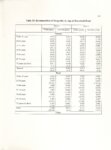
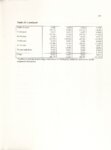
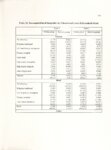
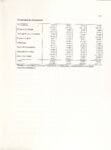
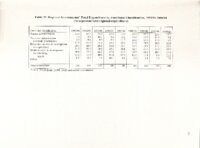
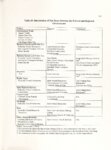
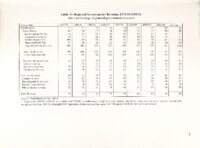
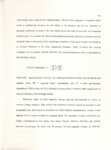
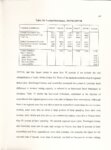
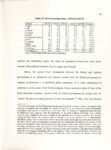
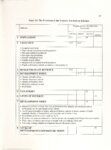
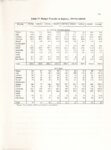
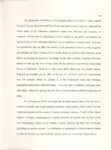
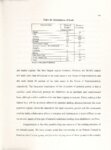
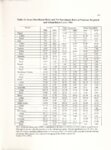
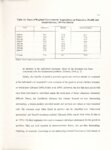
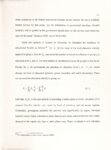
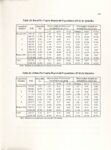
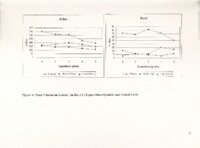
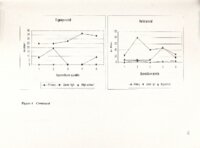
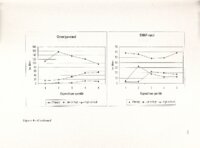
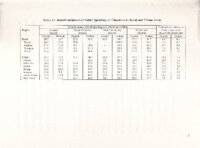
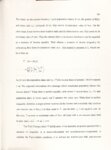
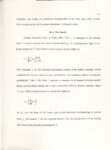
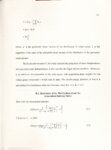
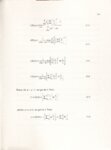
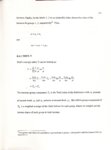
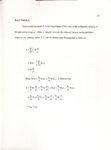
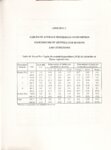
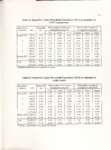
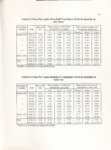
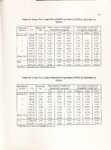
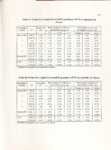
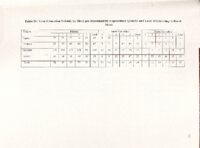
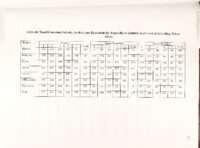
Show 94 and n 1 f-L i=1 n Yi L=GE(O)= L:-In- where f-L is such the as income. The two mean weights, are among the rich. necessarily of inequality different use different. The Theil T index whereas the Thiel L index sensitivity to inequality not measures welfare functions 'implicit' (3) uses population among the poor, whereas Theil L more Thus, the rankings of income distribution according be the inequality indices are same. increasing the level and percentage not be However, the rankings may decreasing or changes at the same uses and (3), taking one factor at shares, since the Theil indices population inequality is a the country. basically are areas Aggregate inequality time, regardless rural sample includes areas as long as all of the fact that a measure (0.29 very diverse of the respective and Ferreira using equations is 0.33 according inequality discrepancy groups 2000). Table and 0.28). areas This might areas 15 (0.36 between the according gives to both the Theil T in rural and income population and relates those to the overall level of Theil L indices. The overall level of than the level in urban inequality to these indices may important time. The Tables also show the categorized (Conceicao in rural and urban to may differ. share of income and the share of population of the the gives greater weight Tables 15-20 report the Theil T and Theil L indices, calculated (2) as income shares shares. Theil T gives and weights to which the level of inequality measure and 0.35) in and the is higher have to do with the fact that the of the country, where some areas |