| OCR Text |
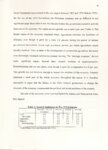
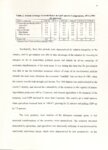
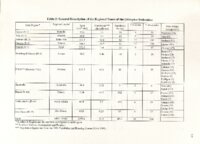
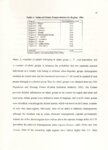
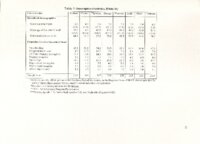
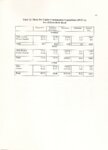
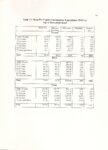
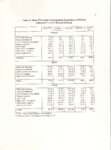
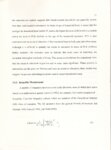
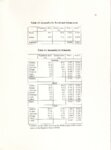
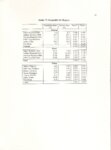
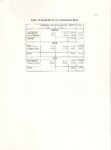
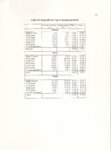
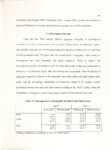
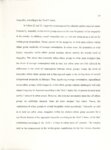
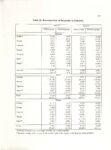
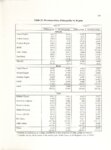
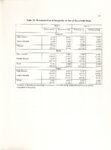
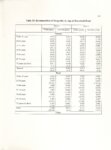
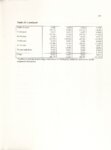
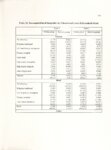
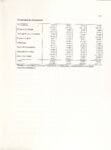
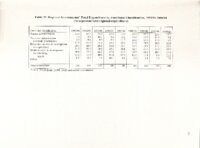
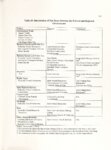
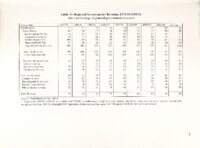
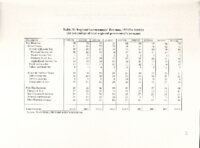
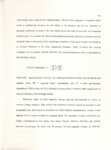
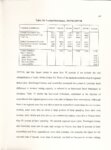
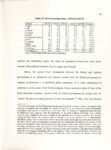
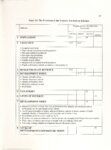
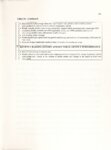
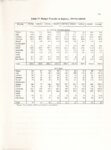
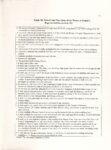
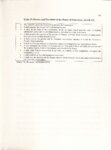
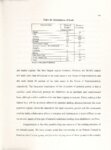
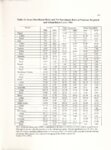
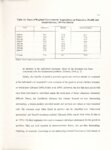
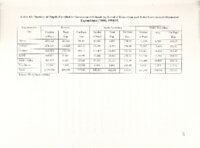
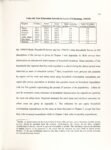
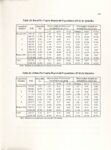
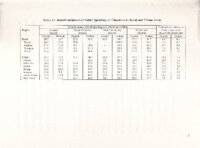
Show 147 recurrent expenditure based the number of bureaus and staff and on needed to maintain the infrastructure. The government level of current on from the expenditure ongoing projects well as as the previous regional states to expenditure maintaining transfers Capital budget year. of the capacity interested in was the on the were based implement them. Hence, for the fiscal years 1992/93 and 1993/94, the allocation of budget transferred the states as well as was the based on the need to maintain the level of current of financing ongoing capital proj ects that were being federal to the state governments. Formula-based transfer started been modified four times. In 1994/95, the allocation of grants the current and were capital budget (Brosio 1997, distributed on the bases of current number of administrative units at the offices, and own revenue of the expenditure formula that includes five indicators, with the factors against needs subregional levels, regions) levels, (30 percent); I-distance, representing 514). While p. a the hypothetical region (25 percent); a expenditure in the previous year (15 percent) and only in 1994/95 was made recurrent (which area and has separately budget transfers took into account the based based was on a effort based on distributions as were well based as the on a eight (20 percent); capital (10 percent). capital formula. Table 36 summarizes the evolution of the transfer formula between 1995/96 and 2000/01, transfer formula on a parenthesis: population development tax was Since 1994/95, the distribution of transfers for both recurrent and expenditures for the structure of bureaus and shown in relative of the states transferred from the capital budget transfer weights region's expenditure to showing the changes weights assigned very simplified to the in the factors included in the respective formula of the one factors. The 1995/96 applied to capital budget |