| OCR Text |
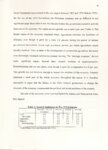
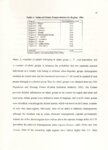
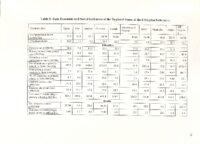
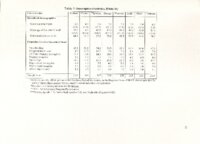
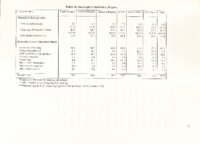
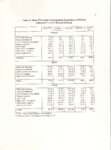
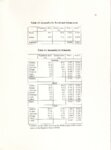
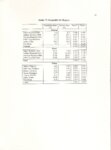
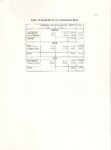
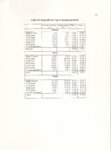
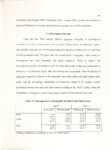
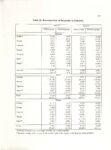
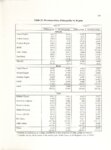
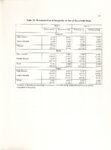
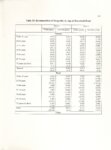
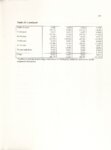
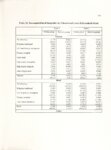
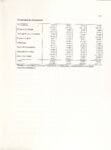
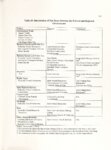
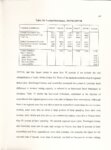
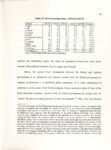
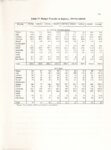
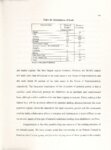
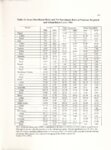
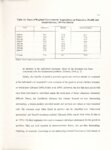
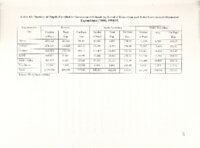
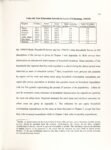
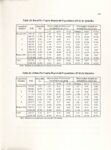
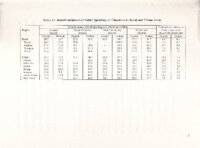
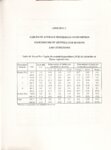
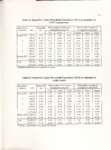
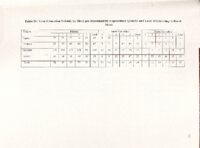
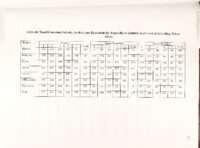
Show 80 exclude ten households is based ethnicity of the head of household, the fact that these households did not report the on or some member of the household other than the head reported the ethnic identity of the household head. Likewise, available from the first round of the UHS, but I excluded households did not report their household And properly. food and/or nonfood in the I use The two surveys use Hence, it is possible were two technical two surveys September merged labeling households. Two did not report head-of did not report any amount for of the total 3000 households used methodology same to merge them to get a national household The first was and have the a was the four-month lag same set of expenditure in the time lag between questions. survey: There period when the the two surveys, conduced in J anuary- March 1994 whereas the UHS was conducted 1994. Since the time between the two surveys is too short to suggest any significant changes the the problems, though. was in the data set. quality of the information collected, Second, the coding in the of variables uniform across two data sets no adjustment was was made to corrected to make the the two surveys. Table 6 summarizes the data demographic and education characteristics of household heads for rural areas, urban and as a Ethiopia were 2928 households. conducted. There were where the RHS in consumption expenditure. Thus, original surveys, thirty-eight ethnicity. Thirteen households finally, twenty-three households 1500 households whole. Average household size in Ethiopia difference in household size between the rural and urban areas the age difference of household heads between rural and urban stands at six is a mere areas is little areas people. 0.2. In by The addition, more than |