| OCR Text |
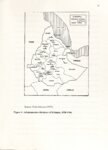
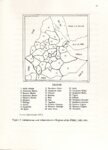
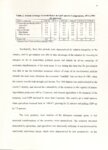
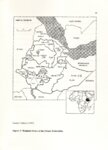
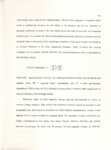
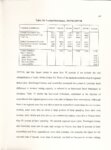
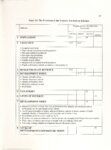
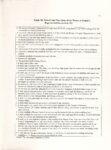
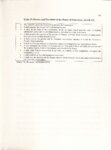
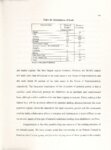
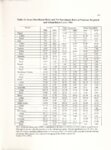
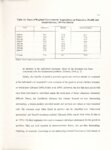
Show 38 was devoted to elaborating the absolute Haile selassie's rule was, Fascist reforms, a new however, abruptly interrupted of invaded and colonized Italy power in 1941, Haile Selassie began and and inviolable powers of the emperor. perhaps the most Ethiopia to important, regional warlords, brief period when decree was restored to series of reforms. One of these a establishing system of local administration. Primarily intended and economic base of a in 1936-41. After he implement was a for the broad outlines of to undermine the the decree also sought to political power systematize regional governments in Ethiopia and thereby strengthen the administrative capacity of the imperial state (Clapaham 1988; major provinces (teklay ghizat) districts (woredas), Keller of The country roughly equal size, and 949 subdistricts administrative reforms, Haile Selassie enormous 1988). 103 was divided into fourteen subprovinces (awrajas), (miktel woredas)-(See Figure 1). was able to amount of discretionary power in their deprive With these the traditional elite of respective regions. As Keller put it: Traditionally, governors were given a great deal of autonomy in administrating their areas. They could levy and collect taxes, arbitrate disputes among their subjects, punish criminals, and set various administrative rules. They were only responsible to the emperor himself, who generally did not interfere in local matters. Now, however, they were appointed by the emperor on the recommendation of the minister of interior, and they were to cooperate with and engage in regular consultations with other ministers when issues of relevance to them arose. Rather than having a direct channel to the emperor, provincial governors now had to deal with him through the Ministry of Interior. In one fell swoop, power was swept from the hands of the traditional nobility and into the hands of the central bureaucracy. The authority of regional elites was further eroded when military forces or to (Keller 1988, p. 75) enter 505 they were forbidden to organize their own independently into treaties with other states. an |