| OCR Text |
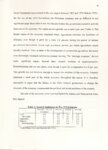
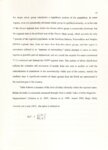
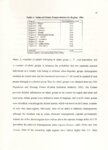
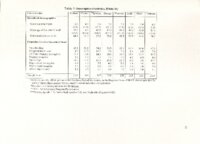
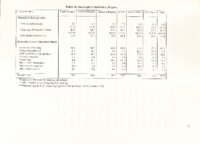
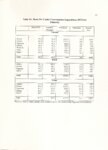
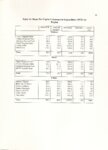
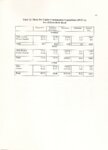
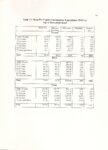
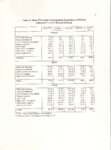
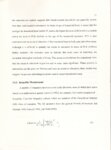
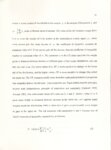
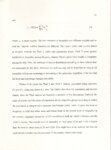
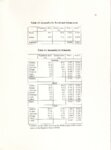
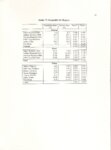
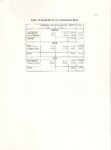
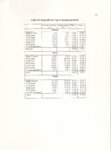
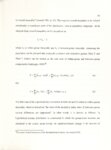
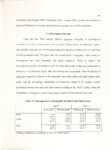
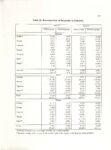
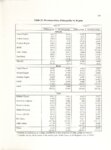
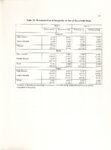
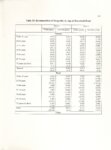
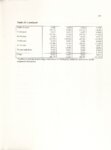
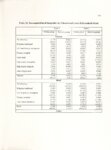
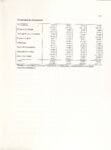
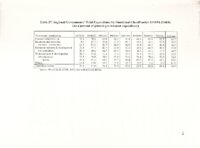
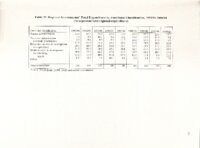
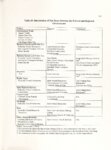
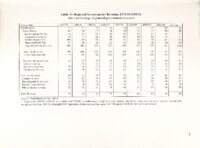
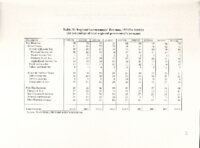
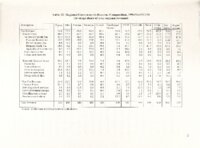
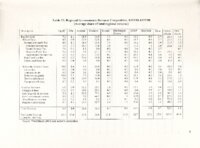
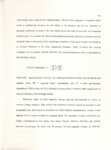
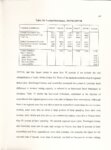
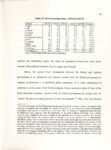
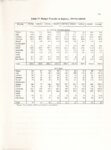
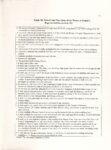
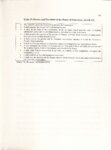
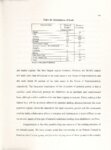
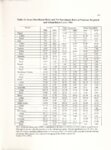
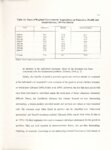
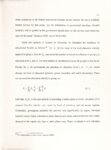
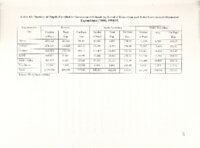
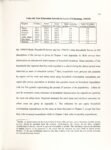
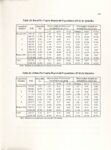
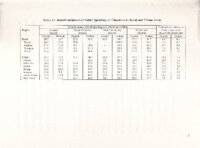
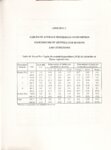
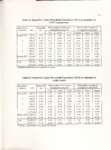
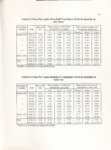
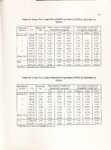
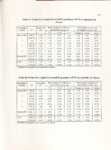
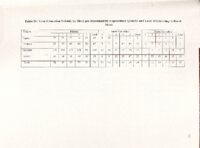
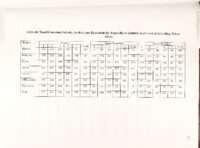
Show 107 inequality, according to the Thiel L index. In Tables 22 and 23, inequality is decomposed by ethnicity and by regional Nationally, inequality within in the country. In addition, ethnic groups accounts for overall inequality within-group inequalities. Ninety percent ethnic group variability higher: inequality of average This shows that inequality. the levels of average inequality consumption differences in the level of inequality in across ethnic groups, while reduce inequality by and 1 by groups inequality almost both in rural and urban regional inequality within in rural and urban areas, significant according to Some inequality fraction of the aggregate contribution according states is the Ethiopia. Thus, equalizing uniformly unequal. average the Theil T index more inequality not varies is even areas are is higher than little affected by rather, the level of force of overall consumption expenditures (by unchanged, will only 10 percent in rural necessarily unequal reflects within proportion driving ethnic groups remains are than mean areas that all ethnic others. Hence, the accordingly. Nationally as well within the Amhara ethnic group accounts for inequality according to the Theil L is used in the measurement of the areas by the overall level of between ethnic groups; percent in urban areas). However, this does are entirely inequality is driven areas areas In urban areas, the explains consumption 8 percent in rural within ethnic groups in urban contribution of ethnic groups to overall as of the within ethnic groups and within interpersonal inequality 90 percent of the both in rural and urban consumption. within ethnic groups over states. large within-group in urban to the Theil T areas a index, while their (47 percent). The contribution for the two indices weights (income |