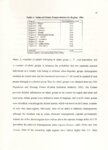
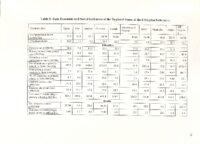
| OCR Text |
Show 31 nobilities were able to exercise their power to pay tribute to him. In challenge regional the "not In he else, only development policies. of strong pp. might simply put the Zamana sense center, of the country into Masafent (or Age political of the "The tendencies. The not to go away from it" Since 1855, political supremacy," which resisted political is characterized in The authority a p. regional centralizing contested object" regional lords Ethiopian historiography of the imperial provisional nobility of the to the century until the mid- conflicts of the Zamana (Zewde 2001, a supremacy among turmoil for about moves Gashaw centralism, but also contributed Princes). regional to to subdue other on the state remained position, enough puppet emperor in the throne and control weakened and the power of the centrifugal beyond willingness lord would become strong provincialism, narrow period (1769-1855) Interestingly enough, though, any a This contest for 142-143). nineteenth century. This scarcely of the emperor and their and if he succeeded he would go of its weakened eventually plunged significantly regional a weakened the evolution of a spite (Gashaw 1993, as authority but this power did not go throne behind the curtain. "The contest for imperial writes, times, imperial throne, lords. Or regional lords, over times, strong emperors return, the emperor left regional lords in absolute control of their At other respective regions. of the emperor. At authority lords of the acknowledgment by regional the the constantly challenged lords was power at Masafent were ... was its ebb. showed to dominate the 14). however, the power and territorial jurisdiction of the imperial government expanded enormously under a succession of great centralizing cater to the emperors: potential military power of lesser kings and regional lords and also the sanctioning of the Church. Should a recalcitrant noble-vassal of the Crown feel that he was powerful enough to challenge the authority of a given monarch, it was accepted that he had license to do so. The Church, on the other hand, could weaken a ruler's position simply by questioning his fitness to rule." (Keller 1988, p. 51) |