| OCR Text |
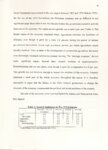
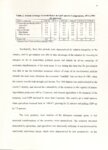
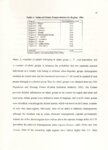
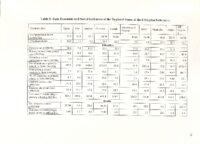
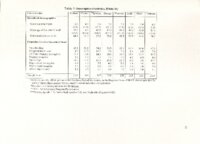
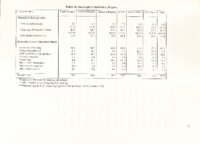
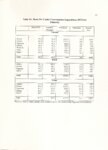
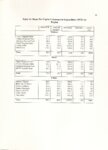
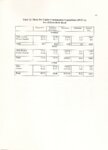
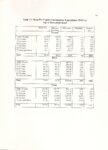
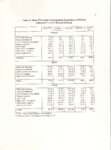
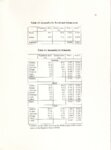
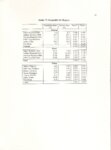
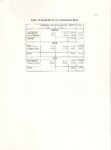
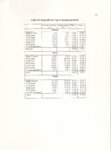
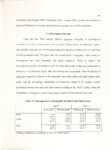
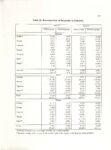
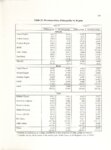
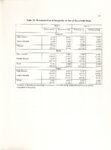
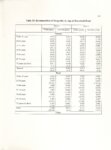
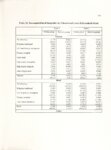
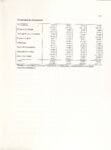
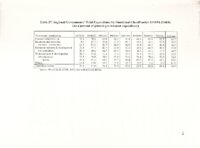
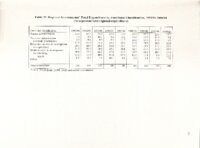
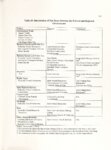
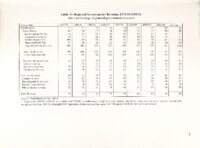
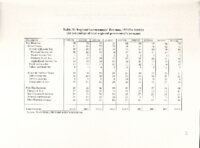
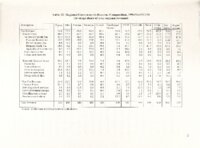
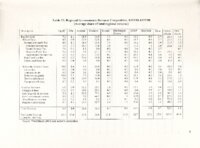
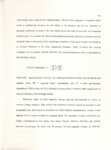
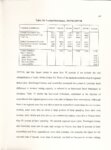
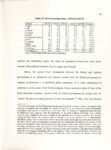
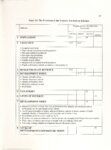
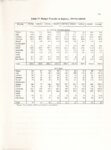
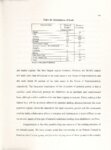
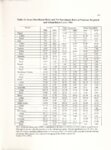
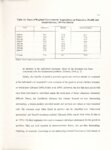
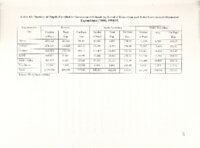
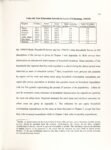
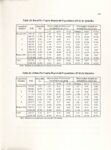
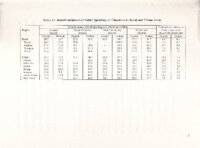
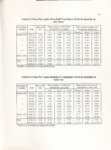
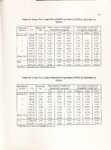
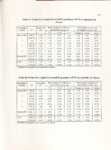
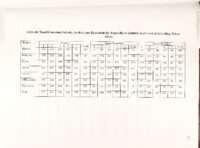
Show 191 the that children important part cost of attending school is the play in the agricultural key to ensuring that the poor will benefit The next section looks at the level of the expenditure. It differs from the household so doing, depending it defines on its use schooling public spending the from education. it takes into account the if there on reducing in relation to total household subsidy foregoing analysis because of the household to finance children's education. In labor force. Hence were no education ability public spending form of on subsidy to the previous paragraphs do as a of the education service. 5.3.2. Who Benefits From Education Subsidies? The total not spending. In order to assess the welfare larger spending spending is targeted to share of the educational is progressive if the poor in the form of subsidies. In other larger transfer progressive. children impacts of educational to the benefit incidence estimation: how these subsidies. Public a education subsidies discussed in the clear indication of the distributional consequences of decisions give applied ( absolute) as as a proportion and the richest as the more words, if the subsidies 'progressive?' are gain, in abs.olute terms, than their share of income were of income to the poor would as are government. On the other hand, gain proportionately primary subsidy quintile. and how educational two criteria spending, the poor if the poor spending by Table 47 summarizes the well 'targeted?' on instead cash mean transfers, a that the transfer is quintile shares of total share of consumption expenditure spending and school-age for the poorest |