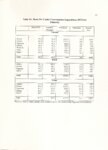
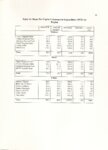
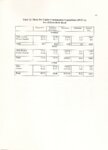
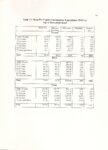
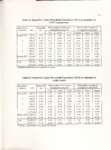
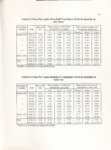
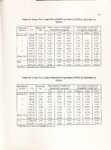
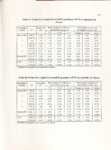
| OCR Text |
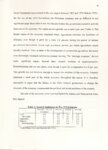
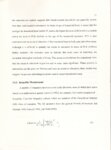
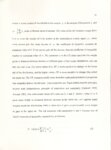
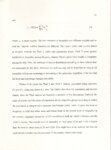
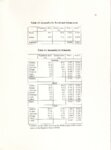
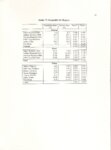
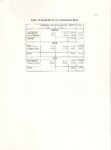
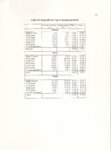
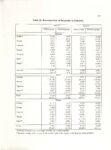
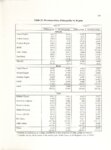
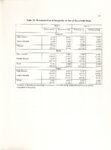
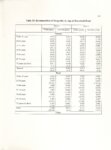
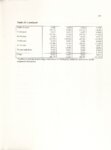
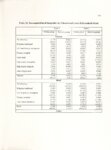
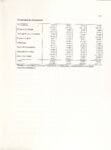
Show 79 I follow the literature and welfare in Living Ethiopia. consumption. Study Surveys (Grosh consumption. on The the as This and Glewwe decomposition analysis the federal system is substantial. is' driven not inequality between regions/states; and within regions/states. have detailed food and in this chapter shows that inequality by inequality between ethnic rather it is driven This has a very nonfood in living that constitute regions/states Moreover, inequality between ethnic much so 1995), information refers to both standards between ethnic groups and between the different regions/states of ethnic economic measure Both the urban and rural surveys, in line with the format of the Standards Measurement information consumption use groups and and groups by inequality within by ethnic groups important policy implication abeut the distributional aspect of the federal program. The fact that the federal government is allocating resources to and/or groups ethnoregions/states amounts to regions/states. However, this distributional Characteristics of individuals other than their ethnic be redistributing identity or resources to policy place is ethnic misguided. of residence should given more emphasis. 3.2. Data and Methodology Two household surveys, the Rural Household Household Survey (URS), decomposition (A detailed of 3,000 households of data were problems, only ten more are and the Urban used for the measurement of the level of inequality and its description of the surveys is included in the surveys me presented in (1,500 households 1477 households of the RRS households, leaving Survey (RRS) were Appendix A). from available. Of with 1466 households for the each). these, analysis. A total Because I excluded The decision to |