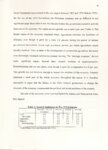
| OCR Text |
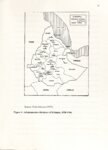
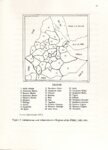
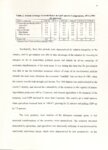
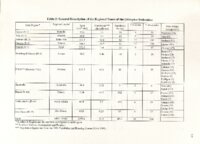
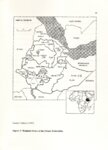
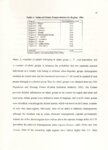
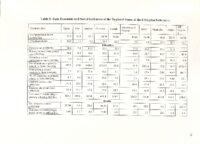
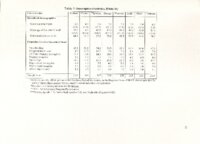
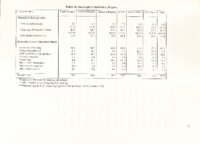
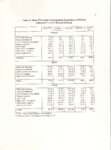
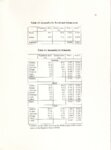
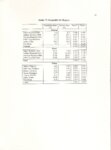
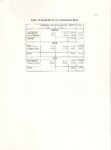
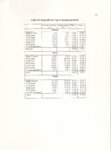
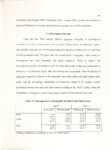
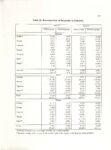
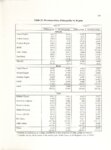
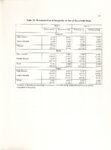
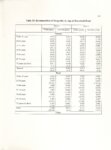
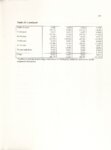
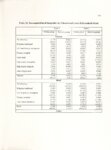
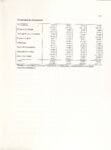
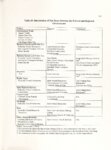
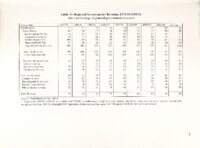
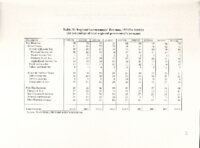
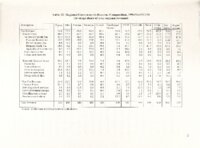
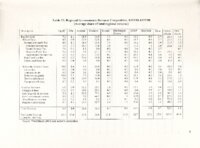
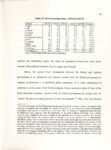
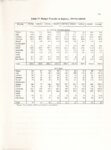
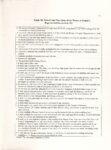
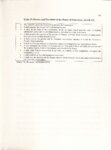
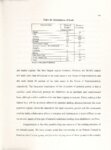
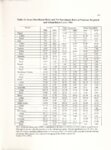
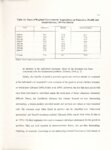
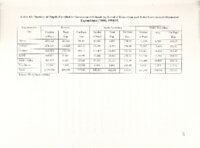
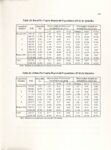
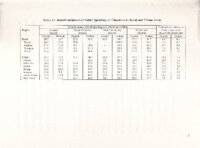
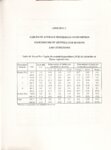
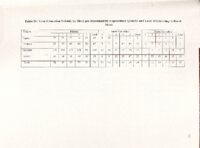
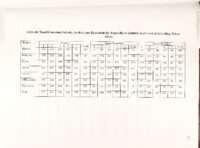
Show 58 lumped together as a people. The Ethiopian citizens are first categorized in ethno-linguistic groupings and then these groupings come together as authors of, and beneficiaries from, the Constitution of 1994 Indeed, 'We the Nations, Nationalities and Peoples recognizes Ethiopia as a Nation of Nations. (Nahum 1997, p. 51) their different .... ' ... The Constitution defines 'N ations, people who have mutual intelligibility share or of psychological make-up, territory" (Nahum 1997, created "not regional a large a states thus created 230). major were of a common an culture related or "a group of as similar customs, identities, a common along ethnic/linguistic lines, ethnic federalism" carved in such peoples' identifiable, predominantly contiguous It carved the country an and a common or ethnic groups in the ethnically homogenous, although such the in and who inhabit territorial federalism but Table 3 shows the regions, measure language, belief p. Nationalities, a way as regional the level of 'ethnic (Nahum 1997, to be states. p. 52).27 regions, particularly SNNP, more Obviously, homogeneity' which is than 85 percent of the extremely heterogeneous The ethnically homogenous. is state is no higher Amhara, Drama, Tigrayan, Harar, Afar, and Somali regions the main ethnic group accounts for and in - population-than with no some where other dominant ethnic group. By profound, all accounts, the in the sense Ethiopian governments. political restructuring that it departed of the country along from the historical centrist ethnic lines tendency of was previous In the words of one observer: 27 One thing to be noted at the outset "Nations, Nationalities and Peoples is that the Constitution does not freeze the federal system. It states have the right to establish at any time, their own respective states." It therefore leaves the door open for further changes in terms of fragmentation of existing states or coalescing of two or more states. ... |