| OCR Text |
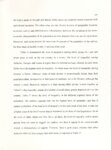
Show 28 and contraction) for brief periods of and and of the Solomonic Ethiopia played for an nearly a millennium. dynasty Emperor Haile selassie was With the Solomonic for (Levin 2000, power, pp. was, In a providing a new A xvi-xviii). eager to distance itself from its national the needed cultural divine for state Orthodox legitimacy to building Church16 imperial to an end in 1974, when from power by a a new ideology national no popular uprising. longer providing script script thought they military junta that predecessor script Coptic however, abruptly brought Ethiopia rule, Negest (Glory of Kings) and addition, gone and the Solomonid intellectuals who searched for so The Kibre unceremoniously removed dynasty political role in indispensable power. The Solomonic Marxism" dynasty. ideology'< legitimatized imperial (God's Prophecy) provided Ethiopia with empire expansion legitimacy monarchy symbolized political continuity, except The Solomonid interruptions. thereby created FUrore Yesus the empire building, and "Ethiopian had found it in seized power after 1974 was that it embraced Marxism-Leninism evolution of the central political institution: the Aksumite (lasting roughly from the first to the eighth AD), period (c. 1270-1527) and the modem (1855-1974). All three periods saw the at the of its monarchy height power and the empire enjoying varying degrees of territorial extension. The monarch exercised considerable powers over life and property. This included a good deal of tributary authority over that most vital of properties, land. Contributing to the authoritarian power that the monarchs thus came to enjoy was the absence of a hereditary nobility." (Zewde 2003, p. 9) centuries the medieval 15The legend Jerusalem had it that the queen of Sheba, who reigned at Aksum in the tenth century B.C., traveled to King Solomon. The Old Testament is quoted as the source of this legend, and the to visit Ethiopian chronicle, the Kebre Negast, reported that Queen Sheba, known returned from Jerusalem pregnant with King Solomon's child. The child to have originated the Solomonic dynasty, which formed the bases for an to Ethiopians as Madeda, Menelik, and he is said uninterrupted line of emperors was named until the fall of Emperor Haile Selassie in 1974. 16Levin further expounds the role played by the keepers of the church when he writes "If there is one feature of the Amhara system that above all others account for the durability of its traditional beliefs and values, it is the institutionalization of a set of roles with special responsibility for perpetuating the central oral and written traditions of Amhara culture. Whatever the distresses of other parts of the system, priests and monks had support, facilities,' and protection that enabled them to keep alive the central ideas of the tradition. At times this survival literally depended on inaccessible mountaintop and island monasteries that were safe from the usual ravages of war and brigandage. It was these cultural specialists who kept alive such beliefs as the Solomonid legend as recorded in the Kibre Negest and the prophecy of Tewodros in the Fikkere Jyesus and transmitted them from generation to generation" (Levin 2000, p. 159). |