| OCR Text |
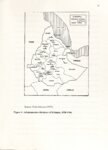
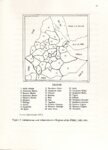
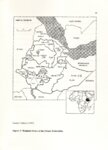
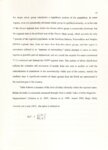
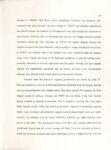
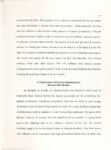
Show 34 has been that, for better or worse, the Ethiopian Empire of the twentieth century consists of a number of previously autonomous and distinct 'African' tribes subordinated under an alien Semitic a natural consequence of beginning Ethiopian minority. This view is history, as scholarly immigrations of the first convention has had it, with the supposed Semitic B.C. A different view is obtained, millennium however, if one's perspective begins not three but six thousand years ago; not in Arabia but in Africa; not with the Semitic importations but with the Ethiopian peoples at home. Such a view may justify replacing, or at least correcting, the image of an arbitrary empire composed of numerous isolated and vastly diverse subject peoples with image of a vast ecological area and historical arena in which kindred peoples have shared many traditions and interacted with one another for millennia. (Levin 2000, p. 26) In addition, Menelik's decisive victory Ethiopia's independence place in Africa. and tropical periphery with the zones was spared Ethiopia to the and key rivers, colonial a effectively by playing from one being European He is credited with systems, bridges, roads, and taxes from or Djibouti to Addis tithes to the state Ethiopia, and paved a borderland buffer a to its in zone a p. was taking present size, low-lying, arid, negotiated 105). not confined to consummate against secunng the territorial diplomat (a skill that he used another and thereby insuring also open to modernization in domestic building schools, hospitals, postal railroad Ababa). was power Ethiopia's independence), Menilek was runs from the colonial scramble that powers" (Marcus 2002, Ethiopia. Apart (Marcus 2002). Italians at Adwa in 1896 secured series of frontier agreements that Menilik However, Menilik's achievement of invading protect the state's central power. During the decade, the Ethiopian legalized through adjacent integrity the Hence, "Between 1896 and 1906, Ethiopia expanded comprising the highlands, or over (the only He (Keller 1988). was one and policies telephone that still exists in the country and also the first to introduce the idea of paying He introduced the notion of the way for the centralization and a standing professionalization army in of the army by |