| OCR Text |
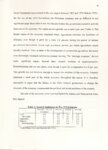
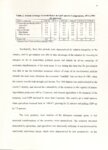
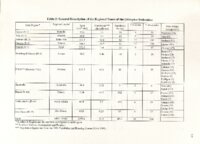
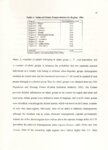
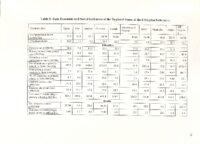
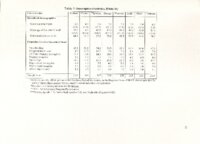
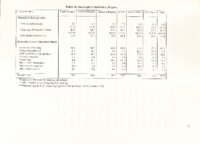
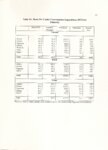
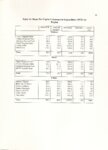
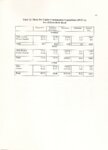
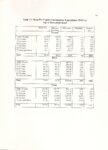
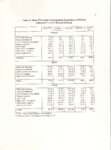
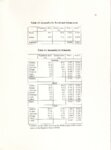
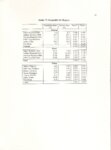
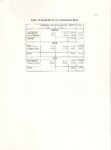
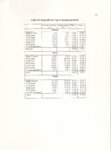
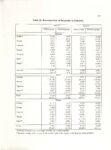
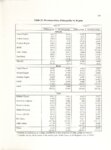
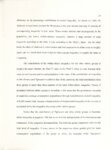
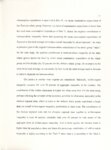
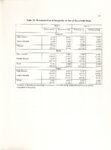
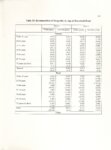
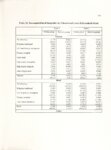
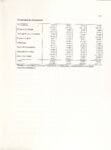
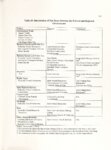
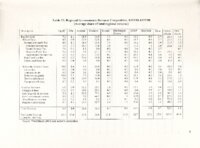
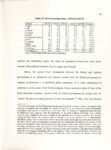
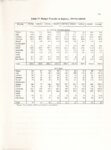
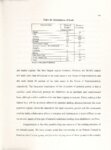
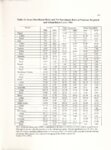
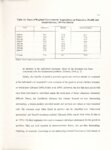
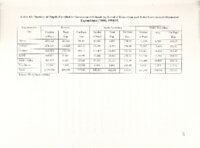
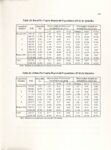
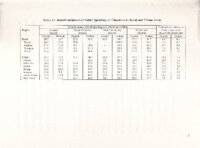
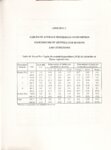
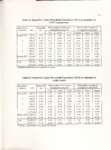
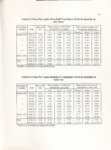
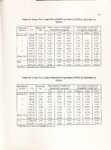
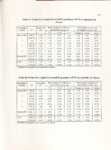
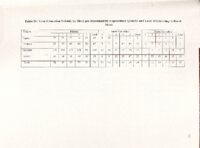
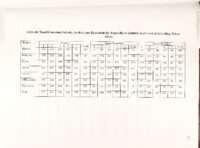
Show 168 benefit incidence analysis of public spending education. The benefit incidence on used to estimate the distribution of educational methodology is extent to which ethno-regional governments empirical analysis, the are spending the poor. But before the targeting section reviews the education sector in following 5.2. Characteristics of the Education Sector in Educational outcomes in Sub-Saharan Africa compared a (SSA). Illiteracy highest rate quite ever common, rate. The so areas are At 95 percent of Because the poor for the country areas unfavorably of the a as Ethiopia even rate which is about GER was (NER) gives as Over-aging lower enrollment even a observed in areas developing primary where GER stands at countries. education and only 16 percent. resides in rural areas, the lower rural GER is even more a as we percent for rural quarter for urban regional whole. However, as a pronounced net enrollment rate of less than 1 differences in student enrollment among for the country 36 percent in the 1980s. commonly with rural to about percent, third of the rate for SSA. a lower rate of GER for the country secondary schooling compared at 65 whole is 12 percent. Differences between rural is are the standard of by (GER) have almost achieved universal the rural-urban differences in GER with as population corresponding schooling ladder, 41), primary Ethiopia. is, for example, estimated rate Table quite significant, majority reflected in the abysmally that the net enrollment rate GER, urban this compares very (see recorded for primary NER and urban are percent for SSA. Primary gross enrollment whole stands at 25 percent The is to 53 Ethiopia to determine the area. There states of the federal move areas are up the in senior also wide system. Primary |