| OCR Text |
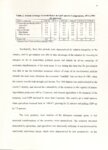
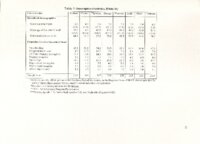
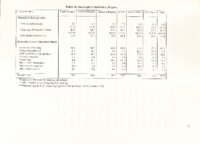
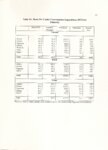
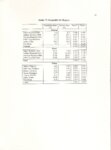
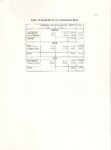
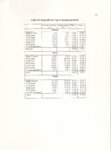
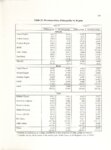
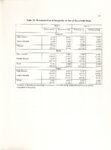
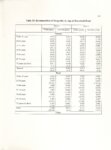
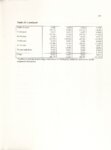
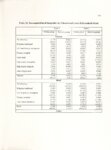
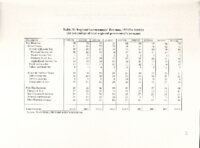
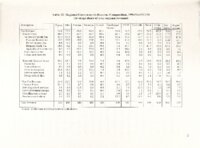
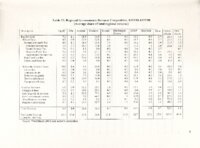
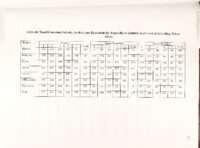
Show 78 The federal program in identity markers for the is Ethiopia economic resources inequality a power and economic the real) inequality between or government is involved in redistributing Apart from of number of years. Devolving political (perceived resources to impressionistic assertions, however, was never a lines. In this chapter, examine ethnic but our household level data set that measurement of on office and this reason and its in living for the inequality ethno-regions is the through is believed to correct the federal Accordingly, the budget to these the existence of income regions. inequality empirically, partly because explicitly prompts questions along household level data both from rural and urban inequality inequality to official and political primary as along ethnically organized regions. inequality in Ethiopia. Obviously, inequality has focus here is from this we use to Redressing ethnic groups. resources ethnic groups using According access between ethnic groups and what drives it has not been shown there of of the country. for the program of decentralization reason point among ethnic groups has been the conflict that afflicted the country for primary in case political reorganization unofficial statements of the government, thereby a a ethnic areas to number of dimensions, standards. We will be concerned with the decomposition by chapter highlight important policy source of inequality. considerations that should The results guide the decentralization program. mobilization where horizontal inequalities are widening over time; the consistency issue, i.e., whether one negative consequences where horizontal inequalities are consistent across categories than where they are inconsistent (for e.g., where one group has political dominance but is economically deprived); and the impact of intragroup inequalities, can we expect greater intragroup inequalities to reduce group cohesiveness?" (Stewart 2002, p. 11) can expect more |