| OCR Text |
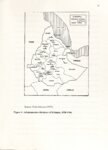
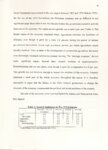
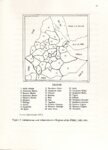
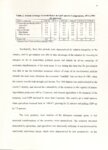
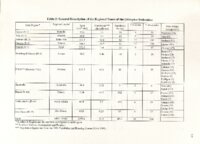
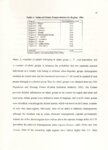
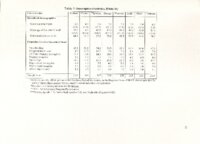
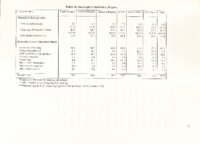
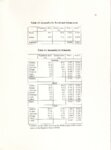
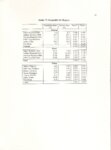
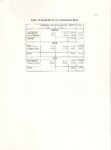
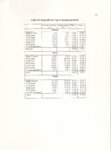
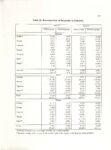
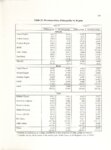
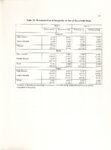
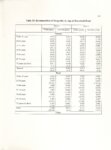
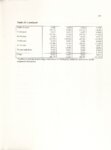
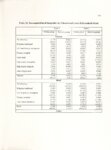
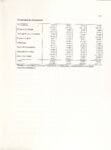
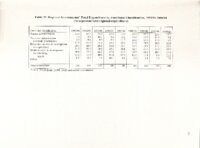
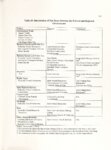
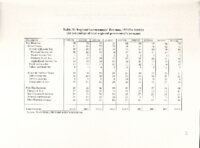
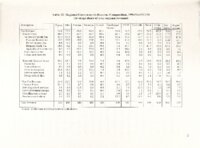
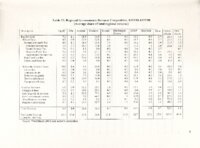
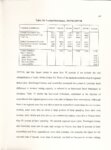
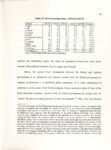
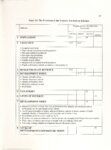
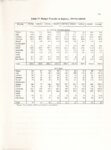
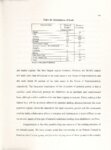
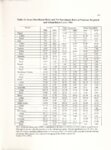
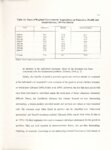
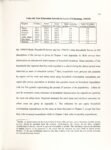
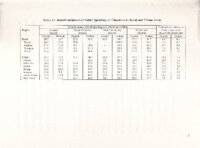
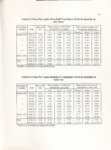
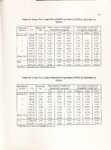
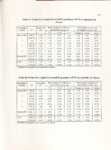
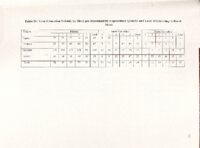
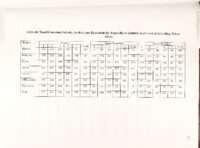
Show 159 The unbalanced distribution of the being too big and others too small for efficient ethnic nature of the federation economic reforms and the two that possibilities governments can can form a House of Federation, Regional governments way. For example, nationalities and own stability or of public services. Although the the dynamics of over regions as we efficiency, on the federal government for of member states. There of the federation in the On the other extreme, states for the purpose of have regions long term. are Regional may merge to maximize their influence at the advantage. or more which can of most coalition federal government for economic decide to break up into two provision instability in the jurisdictions affect the voting states has resulted in some emphasizes equity dependence have created inherent resources regional seen a regional maximizing state may seats in the above determines the transfer money. do either of the two in a perfectly legal and constitutional article 47, Section 2, of the Constitution states that "Nations, peoples within the States ... have the right to establish, states," effectively opening the door for the fragmentation as well at any as time, their coalescence of states. As would be a consequence of the very relatively easy to put together central government and the system of Council of total on in Table 40. a size of some regions, there is the risk that it coalition, which could in effect control both the intergovernmental People's Representatives requires membership; control depending large of the Federal relations. Control of the federal between one-quarter and one-half of the Council, between one-third and two-thirds, numbers present. The distribution of membership in both Houses is shown Broadly, we can divide the regional states into two groups: larger regions |