| OCR Text |
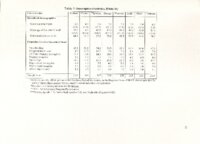
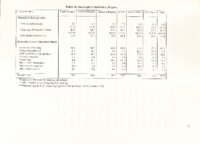
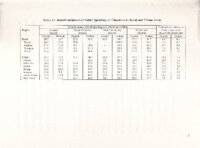
Show 5 primary data household on education services to estimate the subsidies consumption of that go to different groups of households, estimates are spending most on then used to conclusion from the pro-poor, in the defined that sense the subsidies received by the ratio federalism. It of the highlights the need to promote equitable theory) the challenges on literature research. by IS at least are not importance by The which primarily are large as on fiscal the recent motivated not political stability through following It highlights the belated importance of ethnic diversity implication an section will then present the diversity. generating interesting conclusions by for decentralization in the well-developed and and goes to the poor. theory presented by the need to maintain there are significantly progressive, theory, particularly growth theory, theory. Although the poor. The critical review of the literature economics of the economic of the economic subsidy not to the traditional resources. case their capita consumption expenditure. the economics of ethnic how the mainstream economic analysis a are efficiency (the strongest argument recognition by mainstream into economic is per developing countries, but rather literature poor households targeting are regional governments fraction of education chapter distribution of economic burgeoning the by that subsidy to household of decentralization in traditional their economic status. The by regional governments chapter is large a The next section in this wave whether assess defined households that need the education service most, in this important However, as is trying to and integrate it theoretical frameworks for of and ethnicity, the implications empirical for future |