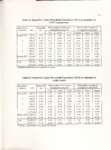
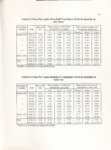
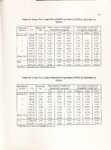
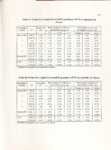
| OCR Text |
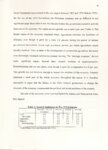
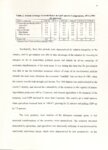
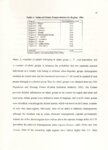
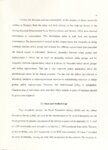
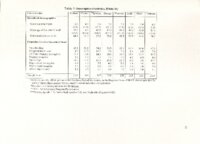
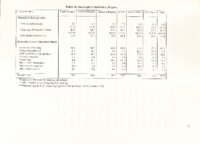
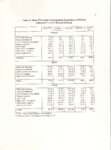
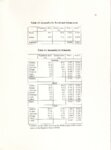
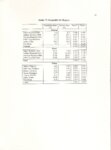
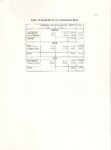
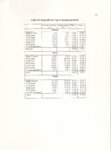
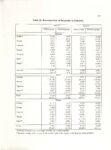
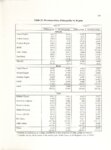
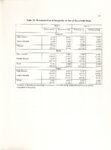
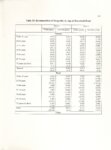
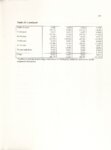
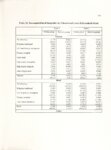
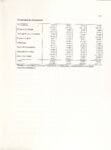
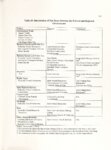
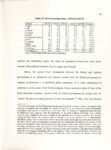
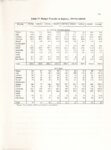
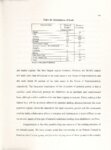
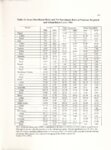
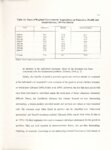
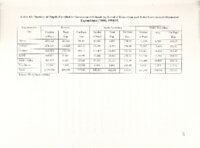
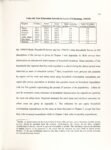
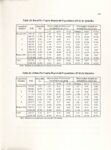
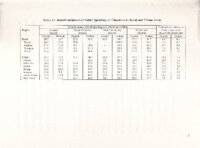
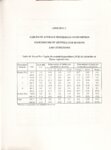
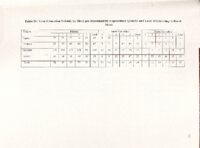
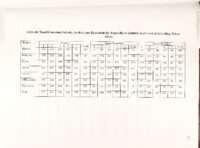
Show 81 Table 6: Descriptive Statistics, Characteristics Household Rural and Urban Areas Urban Rural National demographics Mean household size Mean age of household head 6.2 6.0 6.0 (2.8) (3.1) (2.9) 48.1 46.4 47.0 (13.1) (16.3) (14.8) 63.1 77.8 70.4 24.3 71.5 47.6 10.8 4.3 7.6 22.2 10.9 16.5 5.4 3.5 4.4 8.8 5.1 15.7 Male-headed households Education Level of household head No schooling Religious/traditional ALP and Primary incomplete Primary complete Junior high High school incomplete High school complete Above high school Sample Size *Numbers in brackets ** are 5.0 0.7 4.6 10.9 4.2 2.4 10.8 0.0 1.1 1463 1466 2928 standard deviations. APL: Adult Literacy Program Participation ***Primary (grade 1-6), High school (grades 9-12). one year. There are, however, differences between rural and urban educational level of the household head. More than areas (78 percent) are headed by females, percent. Because educational facilities schooling in urban areas is three-quarters while the figure areas in the sex and of households in rural for urban areas is only 63 concentrated in urban areas, the level of are relatively higher than it is in rural areas. For every school category, rural households lag behind their urban counterparts. For example, the number of illiterate household heads in rural household heads (72 percent) is almost three times the urban (24 percent). Tables 7 and 8 present regional areas states. Three mean outcomes of household heads characteristics of household heads are by ethnicity and summarized: sex, age and by |