| OCR Text |
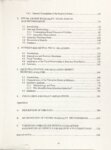
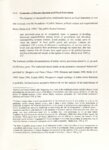
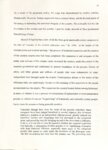
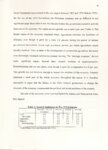
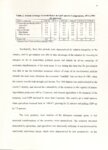
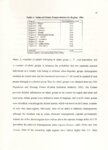
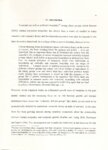
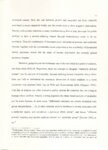
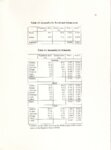
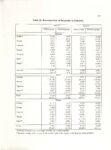
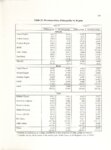
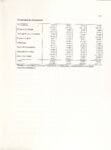
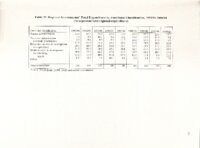
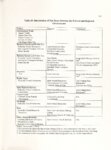
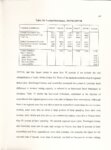
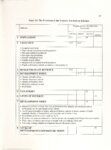
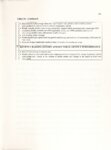
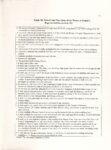
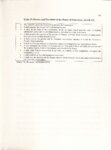
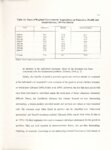
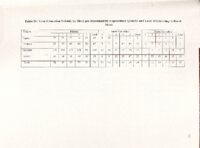
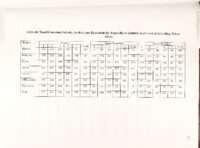
Show 148 Table 36: The Evolution of the Transfer Formula in Ethiopia Weights given to the indicators (in percent) Indicator 1995/96 1996/97 1997/98 60 1 POPULATION 33.3 33.3 2 I-DISTANCE 33.3 33.3 • • • • • • • • Length of rural roads Share of rural population in total population Per capita industrial production Per capita crop production Density of telephone lines Number of post offices Hospital beds in relation to total Pupils in elementary population schools in relation to total 3 BUDGETED STATE REVENUE 4 DEVELOPMENT INDEX • Number of health clinics • Number of primary schools • Number of telephone lines • Electricity consumption Road length • TAX EFFORT 6 LEVEL OF POVERTY 7 DEVELOPMENT INDEX • • • • • 8 population 33.3 33.3 and 5 • 2000/01 25 10 15 Education (includes average class size, pupil-teacher ratio, primary and secondary school participation rate as a percentage of age cohort) Health (includes number of clinics, number of doctors, number of nurses, number of health assistants, Number of hospital beds, and mortality rate of under-fives); Road density (defmed as road length per krrr'); Electricity consumption (measured as electric power sales in region in KWH per thousand people); Water supply (defmed as percentage of people with safe drinking water) and Telephone coverage (defmed as telephone lines per thousand people). LEVEL OF DEVELOPMENT/EXPENDITURE NEEDS 20 |