| OCR Text |
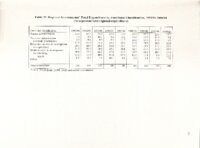
Show -------------------------------- 198 education spending is affected indicating on the poor than rural by differential a areas. However, the distribution of the subsidy enrollment rates in rural and urban areas. In spite of evidence strong positive attitude towards education by households, fewer children go to school in rural areas. because children in rural significant part of the The main areas are opportunity reason is the supply school attending part of the labor force. Moreover, travel time is cost of school. The attending the distributional consequences of education both the demand and cost of opportunity spending can is that policy implication be a improved by addressing constraints faced households in rural areas as well as urban areas. The and education benefit inequality decomposition nature, with significant normative policy federal arrangement and the as given empirical analyses implications. and evaluated its were Both implication static, taking a analyses analyses for snapshot are positive In take the current equitable development, of the emerging federal arrangement in 1995. However, the results have strong normative policy implications for the of the federal program. From sustainability prominent danger is the strong possibility intense fiscal distributive conflict. This a long-term perspective, the most that the current arrangement will lead to possibility fiscal arrangement, which in tum is exacerbated arises from the current unbalanced by the political arrangements of the ethnic federal system. The current fiscal arrangement between the federal government and the regional governments thus states has resulted in depend very much a on very the significant largesse makes the federal government the center of intense of the political power embedded in the central vertical imbalance. Regional of the federal government. This competition government because with the control comes access (sometimes |