| OCR Text |
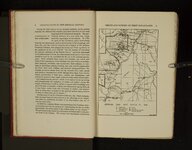
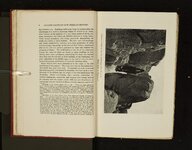
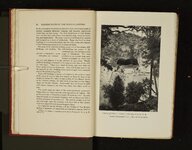
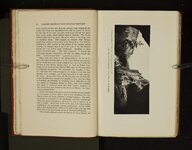
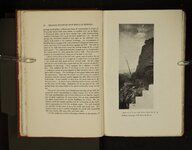
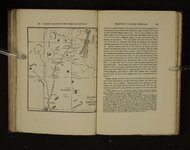
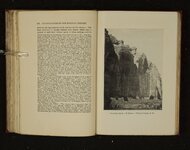
Show PUEBLO REBELLION AND INDEPENDENCE 411 Prior to the defeat of the combined forces of the J emez, Acoma, and Zui as narrated, De Vargas left the capital for a tour of the deserted towns. Pecos, Tesuque, San Felipe, Santa Ana, and Cia had remained faithful, but as we have seen the Acomas and Zuiis had aided the rebels, not only actually participating in the outrages and conflicts but harboring the fugitives. The chief of Santo Domingo was captured on the 14th of June and immediately executed; several Indians who had gone to Pecos to stir up strife and secure the aid of that pueblo in the revolt, were also put to death at Pecos. On the 8th day of August, 1696, De Vargas marched to the pueblo of Acoma, having determined to punish the Indians for their part in the uprising and for the aid and DE VARGAS MARCHES TO ACOMA comfort they had extended to those tribes which had been most prominent in the conspiracy. On the 15th he attacked the pueblo, captured five prisoners, one of them being the chief, but failed to reach the summit of the rock. Then he released the chief and endeavored to frightened the Acomas and Zufiis to such a degree as to cause them to withee their aid. The Acomas lost eight men, while none of the Zufiis was slain, The friars who lost their lives were Arbizii of San Cristobal, Carbonel of Taos, Corvera of San Ildefonso, Morefio of Nambé, and Casaus of Jemez. Corvera and Morefio were shut up in a cell at San Ildefonso and burned with the convent. Fr. Cisneros at Cochiti had a narrow escape. Fr. Navarro of San Juan succeeded in escaping to La Cafiada with the sacred vessels. AccordIng to Escalante, Cron. Seraf., 260-86, Fr. Casaus at Jemez had foreseen his fate and asked the Indians to let him die at the foot of a certain cross. Moned to attend a sick person, he was led into an Sum- ambush Killed him with clubs and stones at the chosen spot. He was theof Apaches, who first martyr of the Queretaro college, and Espinosa gives an account of his life, including his miraculous transportat ion tribes. by an angel on muleback to visit unknown Texan Captain Lazaro Misquia, with Alf. José Dominguez and twelve soldiers, “scaped from Taos and reached Santa F%é in nine days. The Indians of San Felipe tell the story of the flight of Fr. Alonzo Ximenes de Cisneros, missionary at Cochiti, from that village, on the night of June 4th, 696, and his rescue by the Indians of San Felipe. story is true in regard to the flight of the priest and the kind treatment Theextended to him by the People of Kat-isht-ya on the mesa ; but of the siege which ‘the pueblo Cochiti Indians followed the same cannot be said of the story is reported to have withstood afterwards. the friar, whom they intended to murder, The for a short distance, but withdrew as soon as they saw he was beyond reach. abandoned their pueblo and retired to the mountains, not to theThen they Potrero ‘€J0, but to the more distant gorges and crests of the Valles range. The an Felipe pueblo was never directly threatened in 1696, and consequently the Story of the blockade, and of the suffering from lack of water resulting from 1 and the miraculous intervention of the rescued friar, is without foundation. R se Autos de Guerra “acton, pp. 172 and 174. del Afio 1696, Primer Cuaderno. Also Escalante, |