| OCR Text |
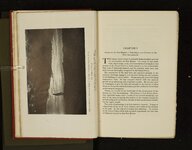
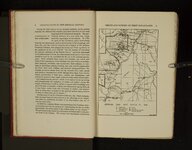
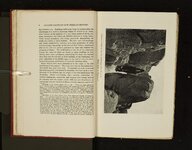
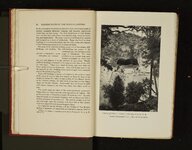
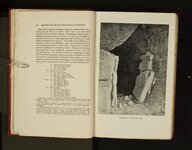
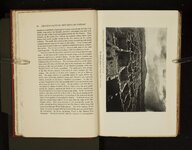
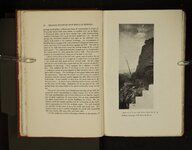
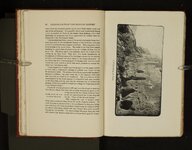
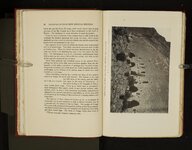
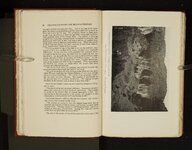
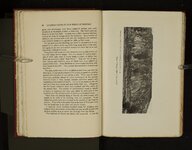
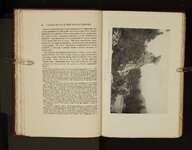
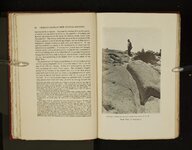
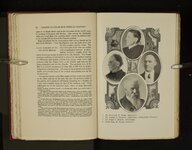
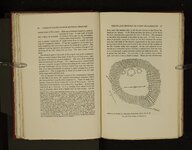
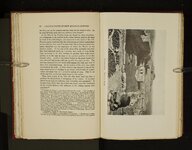
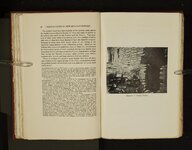
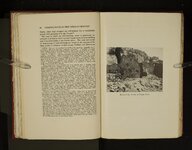
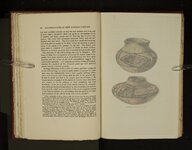
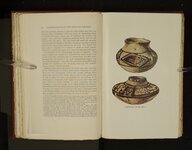
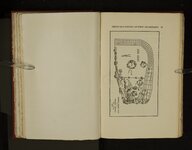
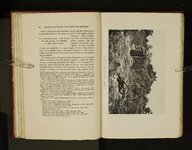
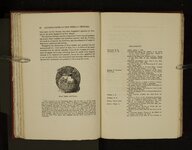
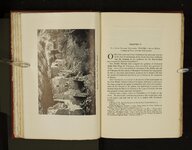
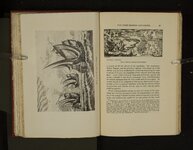
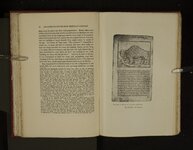
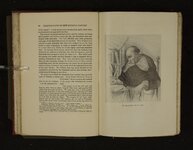
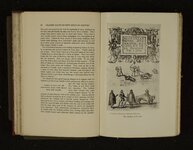
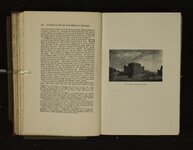
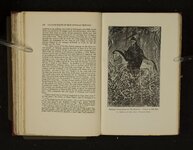
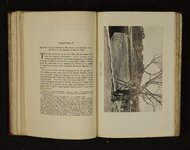
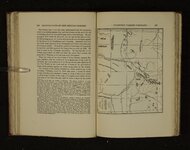
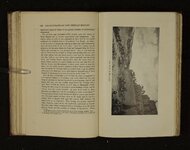
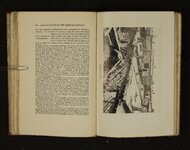
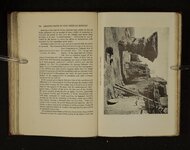
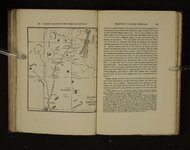
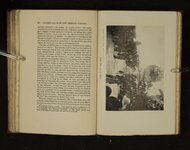
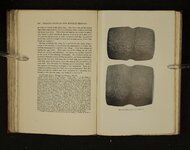
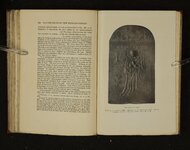
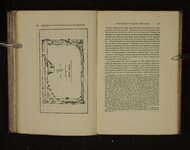
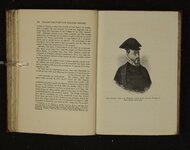
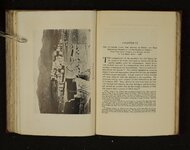
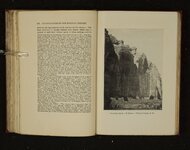
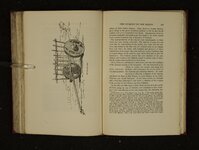
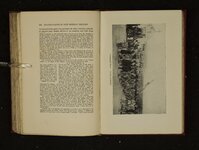
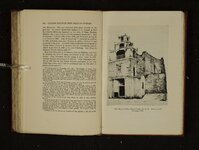
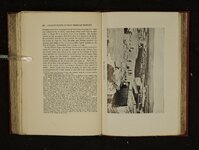
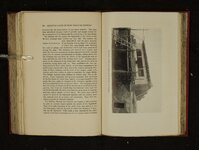
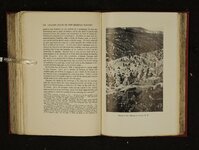
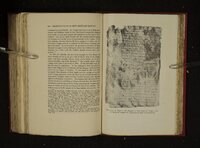
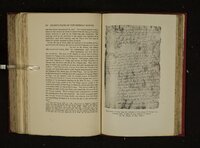
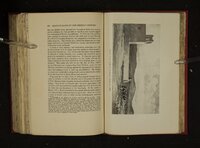
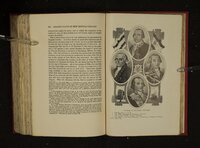
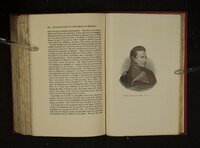
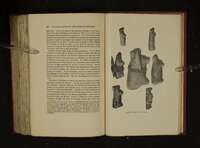
Show 230 LEADING FACTS OF NEW MEXICAN FRANCISCO HISTORY VASQUEZ CORONADO 231 When Barrionuevo reached the last named province the entire nation left their villages, which were on either side of the river, and fled into the mountains, where they had four THE SPANIARDS VISIT other villages, but so located that they could At or very near San Marcial they came to the most and Socorro. southerly pueblo which was inhabited during the sixteenth century. It was the village of Tre-na-qtel, at which village was situate the furthest south of all the large communal houses **° of the Pueblos. THE Piros, which reached as far south as San Marcial, and consisted of at least ten Conspicuous among them were Alamillo settlements in sight of the river bank. north of Socorro, Pilabé on the site of Socorro itself, and Se-ne-ci, whose ruins Alamillo was a conare now covered by the present town of San Antonio. The name of Pilabé, It was then abandoned. spicuous pueblo as late as 1680. is taken from Socorro, of town the of site present for the old pueblo on the ‘el otro es el pueblo Pilabé, 4 la Virgen del Benavides (Memorial, p. 16) founded The village of San Antonio de Seneci was the first mission Socorro.’ According to Vetancurt on the southern Rio Grande on New Mexican soil. Capuchin the was founder Its 1630. (Cronica, p. 309) it was established in Benavides (Memorial, p. 15) places the foundation Fray Antonio de Arteaga. It was abandoned andthe pueblo destroyed in of the mission as early as 1626. The Apaches pounced upon it, the year 1675, on the 23rd day of January. The of the people. killing the priest, Fray Alonzo Gil de Avila, and many Carta al Gobernador remainder fled to Socorro or to El Paso. Fray Juan Alvarez, ‘Tambien el pueblo Francisco Cubcro y Valdez, 28th April, 1705 (Ms), says: y destruieron lo mas de la Seneca, mataron al Pe. Por. Fr. Alonzo Gil de Avila, PUEBLO OF TAOS not be reached by horsemen. In these vil- lages the Spaniards found some very fine pottery and many bowls ‘‘full of a carefully selected shining metal with which they glazed the earthenware.”’ Following up the Rio Grande from this point the Spaniards came to a village which they called Braba,?*7 and which the Spaniards named Valladolid. This river was crossed by the, natives upon wooden bridges, made of very long, squared logs. Here the Spanlards saw the largest and finest ‘‘hot rooms or estufas that there were in the entire country, for they had a dozen pillars, each one of which was twice as large around as one could reach and twice as tall as a man.’’**° Castafieda says that Hernando de Alvarado also visited Taos at the time he discovered Cicuyé. Leaving the people of this province entirely at peace, Captain Barrionuevo and his party returned by quick marches down the valley to the winter quarters at Tiguex. Another captain went down the Rio Grande a distance of eighty i — he reached a point where the river lost itself in the sands. He passed by the pueblos in the vicinity of San Marcial included, in addition to the three mentioned further on, Cu-ya-mungé. es The infor- ehoiie Grete as Barrionuevo had no intercourse with the people ae on dating $2 bs : 74 i Yuge-uinge-ge ach. sa little hamlet of Chamita, seuaive a ge and its site is oeeupi? by T was near Yuge-uing-ge that J , g-ge ; Juan ee is . de Ofiate built his capital. but one pueblo of the Jemez; this is ie river Jemez ee in ee Amushungkwa Ritietia, a tat a Pi es ae Giusiwa, tle old Fetes elrarch styalakwa. Near old Giusiwa are the ruins of 247 Ba ene eibdiliink ’ 5 = F., ee “aiea ° northerly of all th a buns Adon. But in this wa, » e when Baptista, Sait Tae : Final Report, part i, p. 123. Taos is the ‘‘Braba’’ of taken from the reports of Francisco Barrionuevo, is ; he also says that Braba was the most ego No mention of Taos is found, as nobody visited Onate went : there on the 14th of July (Discurso ; a pe 257) ‘ atta i sats Obediencia y Vassalje, ete., de San Juan Benavides speaks of only one Dib of ask ee nnmned Tayberen: >inAwe documents. pueblo of Taos, and thus it appears in all posterior 248 Tt was a v logs of this ee i easy matter for these Indians to have secured large pine aah ayaa : 1 gh a mountains lying immediately east of aot . (Isleta) and almost wuhitey aon. p- 130: nd of the Tiguas, ‘‘South of that place began the ran ge of the gentte Indiana.’ ”’ ‘‘The Piros had crept up 250 Bandelier, A. F., Final Report, part i, p. 131: The picturesque valley of towards the coveted salt lagunes of the Manzano. villages, A-b6 proper, A-bé, northeast of Socorro, contained at least two of their de los Siete Arroyos.’ and Ten-a-b6, probably the ruin called to-day ‘El Pueblo there was Tabira, Lastly, still east of it, at the foot of the Mesa de los Jumanos, It lay very now famous under the mis-leading name of ‘La Gran Quivira.’ unlikely that the not near the range of the New Mexican Jumanos, so that it is name given another but is village, pueblo de los Jumanos, mentioned as a Piros to Tabira.’’ passing the Ofiate (Discursos, p. 240) says that the second pueblo after This black mesa is ‘‘mesilla de guinea, por ser de piedra negra’’ was Qualaci. coming anyone for region that that of San Marcial, a very conspicuous object in In Obediencia de San Juan up the river or through the ‘‘ Jornada del Muerto.’’ poblacion de (p. 115) he speaks of ‘‘Trenaquel de la mesilla, que es la primera este reyno, hacia parte del sur y Nueva Espafa. u abandoned were they Of these three, or four, pueblos, it is only known that The dea little previously. between 1670 and 1680, probably about 1675, or Of the cause Chihuahua. scendants of their inhabitants today live at Seneci in that the Apaches compelled of their abandonment there is but one report, namely, six Fr. Juan Alvares (Carta Ms.) places the loss of the the people to leave. at Senect, and after the slaughter the pueblos of the Salines immediately before Fray Sylvestre Veles de Esealante (Carta al massacre at Hauicti in 1672. ‘‘Pocos afios antes de la Padre Morfi, 1778) mentions the event as follows: con casi continuas invasdicha sublevacion, destruyeron los enemigos apaches que fueron Chilili, Tajique y iones, siete pueblos de los cuarenta y seis dichos; de Tompiros, todos los Quarac, de Indios Tehuas; Ab6, Jumancas y Tabira Sandia, menos dos que estaban euales estaban en la falda oriental de la sierra de Of these it seems that Cuaray or distantes de dicha sierra hacia las Salinas.’’ Those of the Piros villages The people fled to Tajique. Quarac fell first. safety. retired to Socorro and Alamillo, or to El Paso, for called La Gran Quivira. The chief interest, historically, centers in the ruins |