| OCR Text |
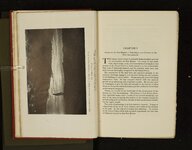
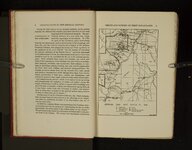
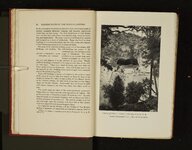
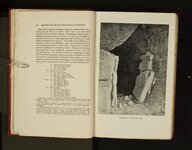
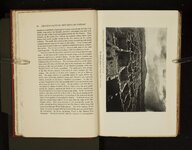
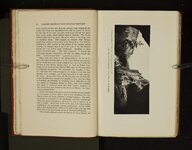
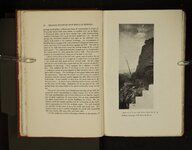
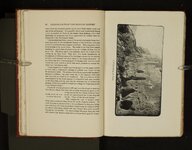
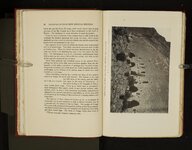
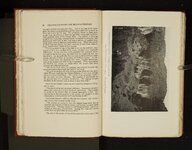
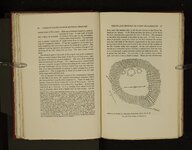
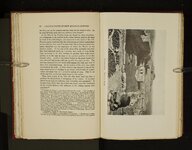
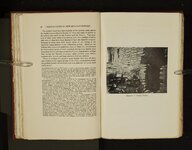
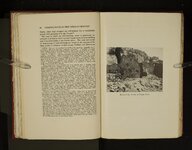
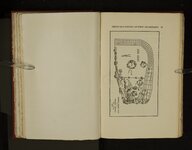
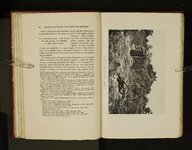
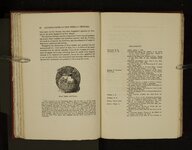
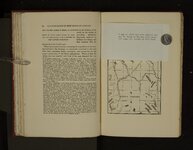
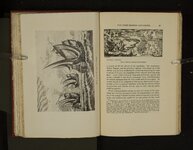
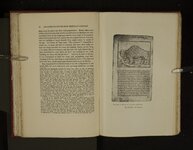
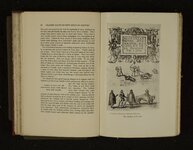
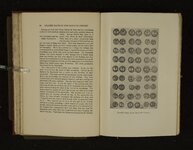
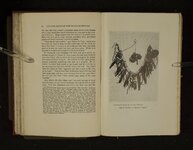
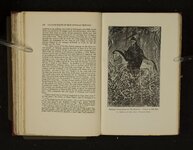
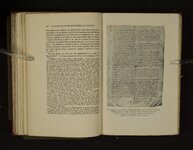
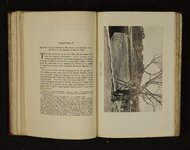
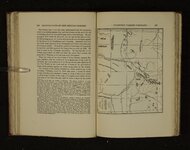
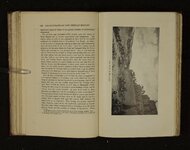
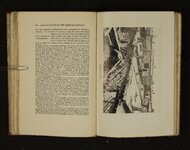
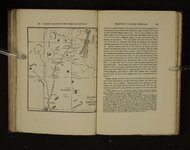
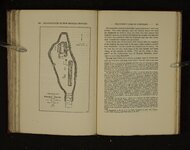
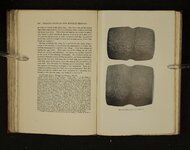
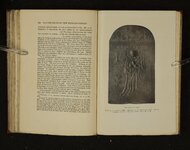
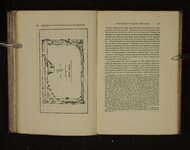
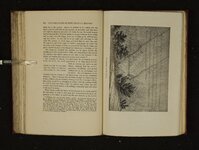
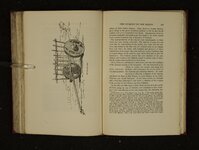
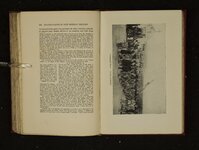
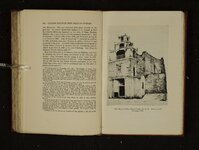
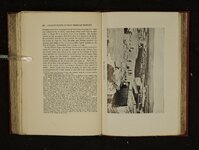
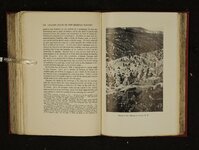
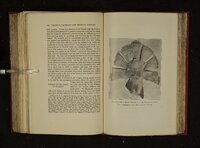
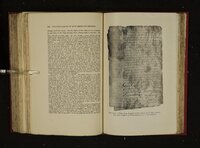
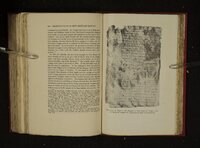
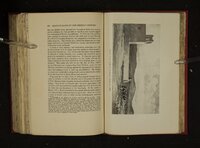
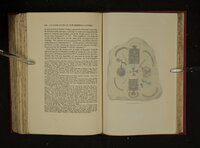
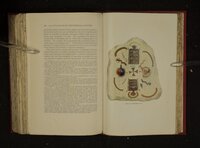
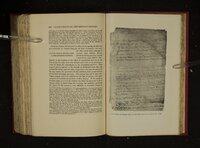
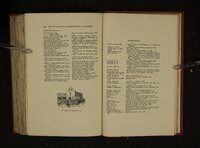
Show 3g LEADING FACTS munity house of Ty-u-on-yi. THE PUEBLO OF TYUONYI OF NEW MEXICAN ORIGIN HISTORY This was a terraced structure, roughly It was built of blocks circular in form. of voleanic tufa, and in all probability it was a three-story pueblo. The building was of greater regularity of construction than is usually the case LL ae hl!) TT, It has the appearance of having been with the community houses. The built completely and not to have grown by gradual accretions. the of change simple a by produced not were and curving are walls The walls form curved direction of the wall from room to room. lind southwest. The thinnest part of the walls of Ty-u-on-yi was at the e; they Tch-i-re-g or They are much thinner than those of the Pu-yé the building of form The plastered. well so nor are not so well laid The living rooms were entered from was well calculated for defense. to the roofs, and then the inner court by means of ladders ascending g into the interior. descendin ladders by and through hatchways passage-way on the The court was undoubtedly entered by a single feet wide, the side seven about is eastern side. This passage-way mud. with walls being plastered ical remains One of the most interesting features of the archeolog which chambers ean subterran circular in the Rito is the kivas, the cerethese of Three s. sanctuarie tribal the been have to are known far Not . Ty-u-on-yi of monial rooms are found within the court long was It kiva. large very a excavated from the pueblo has been It is a circular room about forty-two considered as a reservoir. On the feet in diameter, lined with a double wall of tufa blocks. AND HISTORY OF FIRST 37 INHABITANTS floor, near the eastern side, is the fire-pit known to the Te-wa InIn the floor are seen the holes in which stood dians as the sepapu. The entrance the four columns that supported the roof of the kiva. If there was an to the kiva was through a trap-door in the roof. altar it probably occupied a place on the floor between the sipapu and the wall back of the fire-pit, constructed in the same manner of as the altars which may yet be seen in the estufas of the pueblos In the wall adjacent to the the Rio Grande valley now occupied. kiva fire-pit is a horizontal tunnel forming a passage-way from the to a vertical shaft a short distance outside the walls of the kiva. It On each side of the entrance was a stone is about two feet wide. There are two entrances to post, and above a heavy lintel of stone. told by one of the bench of stone. These were doubtless estufas (kivas) as I was estufa not far from There isa distinct who accompanied me to the spot. Indians the bank of the brook opposite these caves situated in the upper portion of the Including the four estufas connected valley, and a smaller one still higher up. ons at the Rito. with the pueblo ruin . . . I noticed at least ten such constructi lie on the top of the In describing the Pu-yé, I spoke of the pueblo ruins which cliffs of that name. At the Rito de los Frijoles there are at least three similar ruins, but they lie in the river bottom. Two of them are in front of the caves at One was a one-house pueblo a short distance from the talus sloping up to them. people; the of the polygonal type, which probably sheltered several hundred whic inner court still shows three circular depressions or estufas. The other, ground lies about 60 meters (96 feet) east of it, shows floor; and 16 meters (23 feet) north of it ‘‘A third ruin, situated nearly a mile of pine trees, formed an L, with a rude connected with a small estufa. It is quite and the potsherds covering its surface are thirty-nine cells on en my ig ot? a the is an estufa 12 meters in diameter. further down in the gorge, in a grove stone inclosure on its north side and as much decayed as the large polygo”, similar.’’ Ses ys, NM uy ally Wiyysty, _ Courtesy of School of American Archeology, Santa Fé, N. M. Ground Plan Pueblo of Ty-u-on-yi |