| OCR Text |
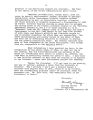
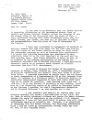
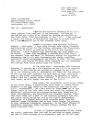
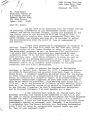
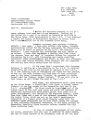
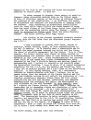
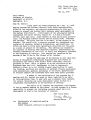
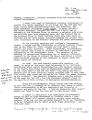
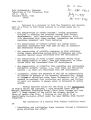
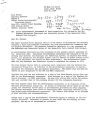
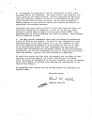
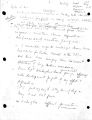
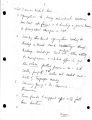
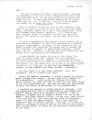
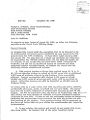
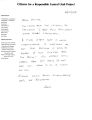
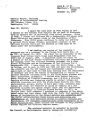
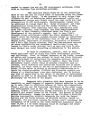
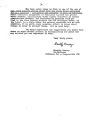
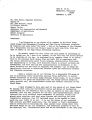
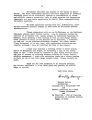
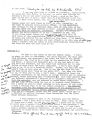
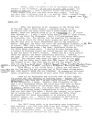
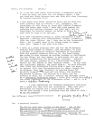
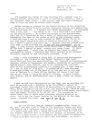
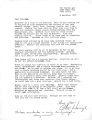
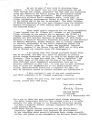
Show 14^5 N. 10 St. Manitowoc, Wis. 54220 November 18, 1978 Mr. K. - Been sitting here eating breakfast, alone, reading a biography of a British theologlanT I started to read his books on The Meaning of the Bible Today, and The Founder of Christianity, and The Parables of the Kingdom, - and found, among the hundreds of books in Bill's study, his biography. It casts light on what you are doing and I am trying to understand. Then I called Bill in the hospital to discuss this all with him. (Horrendous phone bills.) What's interesting and interrelated in all this, is that I see that we aren't ever at a climax point in history. We are always "getting there". C.H.Dodd, the theologian who died in 1973", followed UP Albert Schweitzer's thesis of discovering the historical Jesus". Dodd attempted to understand the teachings of Jesus in the perspective of Greek and Jewish thinking of his time - and interpreting then, for us, the meanings for us now. All Jesus teachings -his putting ideas and concepts in the phraseology of "weddings", the "bridegroom", the "new wine", "what is owed Caeser and what is owed God", "the wheat and the tares", "the mustard seed" and the "seed which is lost on barren ground", etc. all these made intelligible to people in those time, the concepts of the Christian Faith. But our customs are different so the meanings are not similar. However, the point here, is that Dodd spent a lifetime working and interpreting this particular aspect of Christian interpretation and he spent it under conditions of working, teaching and living at Oxford, and Cambridge Universities, England, where he was continually subject to critical review of his positions and theses. You can't operate in a vacuum and be effective. The same is true of wildlife management. You have to think your way through newer concepts which are emerging in this field accepting and rejecting what is workable and can be substantiating. You are doing, this, I know, and you have the more difficult job of having opportunity to bring to bear the knowledge you have and practice it. (But, again, this is no different than the theologian's - only it is on a different plane.) As yet, we haven't got out into the open, the premises of wildlife management, for critical discussion. Yet, maybe I'm not entirely right. The themes of Jack WArd Thomas are presented at wildlife meetings where they will be scrutinized and evaluated. So, maybe the sifting and winnowing process of ideas and their applicability - is taking place as effectively as they can. And the fact that wildlife management is a newer field and has not yet broadened out into public knowledge and discussion is the situation. * c M. 3>*&L |