| OCR Text |
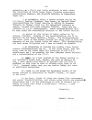
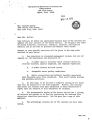
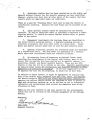
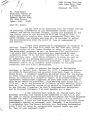
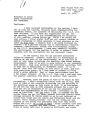
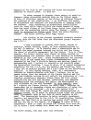
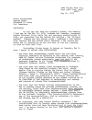
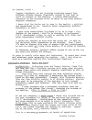
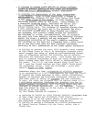
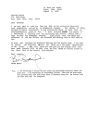
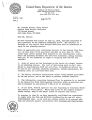
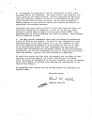
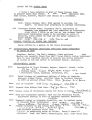
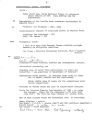
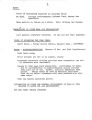
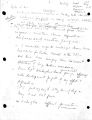
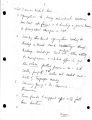
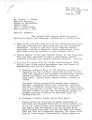
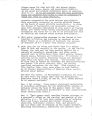
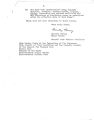
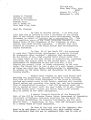
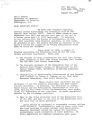
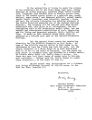
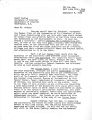
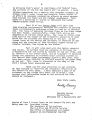
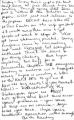
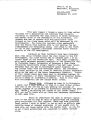
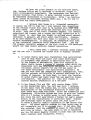
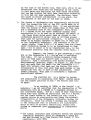
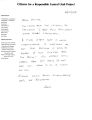
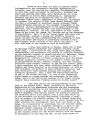
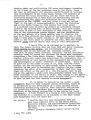
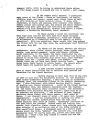
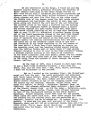
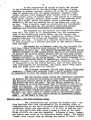
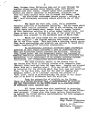
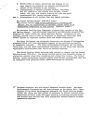
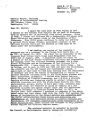
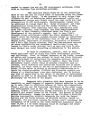
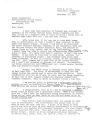
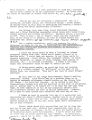
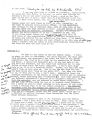
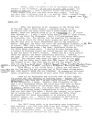
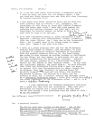
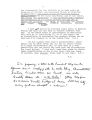
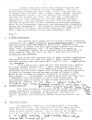
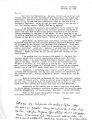
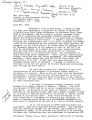
Show % Deficiencies and Ommissions in the Draft EIS, continued. Inadequacy of Alternatives proposed Despite the fact that recent Carter administration directives to federal agencies to work cooperatively with States in developing efficient water management and conservation measures, such action as an alternative to BuRec developed water, is not presented In the LIS. The one conservation measure dealt with, that of lining of canals, is proposed as a Bureau operation. . when in fact, tri'is could be carried out by the State. Proposals for State recy -ing, and optimizing existing resources by not irrigating poorer lands, are not made. By adjudicating water rights for several thousand acres of 6W lands, some 34,000 a f of water would be available for new use, i.e. leaving it in the stream for instream flows. I have heard that the Bureau Is unwilling to deal with this issue of 6W lands because it is too "touchy" politically. Nowhere in the EIS do we see Bureau of Reclamation proposals to the State suggesting technical assistance on non-structural alternatives. Yet the Bureau has instructions from its highest elected official to do this! Inadequacy of mitigation proposals In view of the Uinta Range as habitat for a great diversity of wildlife associated with mountainlands in a semi-desert part of the country - and, in view of the significance of this wildlife and its habitat to both State and Federal Agency wildlife and recreation managers, as well as importance to various public using the Uinta Range, the basis for mitigation for lost wildlife should be that of "eauivalent productivity". In other words, mountain forest land produces many wildlife snecies from mamals, to birds, to fish - and great variations of these and seasonal use for these. Therefore, the substitution of range improvement of some 2 50,00 0 acres of Ute Tribal lands for deer, via chaining, in no way mitigates for the diversity of lost wildlife along streambottoms, for example. In the inundation of 660 acres of riparian habitat, what is lost is a variety of large mammal and small mammal populations such as moose, non-game furbrearers, song and shorebirds, and raptors. Lost streambottom moose habitat represents reduction of potential habitat for the moose now moving onto the South Slopes of the Uinta Range from the North - and thus represents potential future productivity of the species itself. The substitution of pinyon-junioer (through chaining) is not adequate substitution of wetland vegetation along streams such as willows and other lush growth suitable for birds and small game. |