| OCR Text |
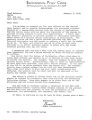
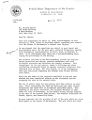
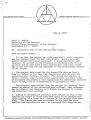
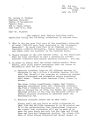
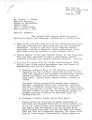
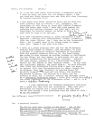
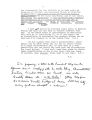
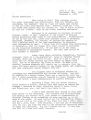
Show 1445 N. 10 st. Manitowoc, Wisconsin 5^220 October 26, 1978 Robert Rowan, Supervisor Ashley National Forest 4-37 Main St. Vernal, Utah 84078 Dear Mr. Rowan: As you know, I am Co-Chairman of the Citizens for a Responsible CUP (Central Utah Project) Group in Utah. A primary purpose of this Group is the protection and/or preservation of Uinta Range streams, wetlands, floodplains and associated wildlife. The proposed High Uintas South Slope Land Management Plan and Draft Environmental Statement of August 1978 addresses management of streams, wetlands, flood-plains and wildlife associated with these from the area of Whiterocks River, on the South Slopes of the Uinta Range, in the east, westward, including four major stream drainages and to the North Fork of the Duchesne River. The Management Plan, includes, also, plans for the management of The High Uintas Primitive Area and Area D as well as proposals for a High Uintas Wilderness. One of the assumptions on which the Management Plan is based is the completion of the CUP units, as presently planned. These would be the Bonneville Unit, the Upalco Unit, and the Uintah Unit,- all of which span the area of the Management Plan outside the Primitive Area and Area D. The Management Plan states impacts anticipated from CUP developments: depletion of all stream floxtfs; dewatering of all streams to a point of only sustaining fisheries at the lowest flow point in winter; destruction of tributary spawning streams and total dewatering of others; inundation of streams, wetlands and floodplains under reservoirs; loss of beaver/moose wetland habitat; loss of the flora associated with streamsides serving as habitat for smaller mammals and bird species; loss of acres of flora of some significance, particularly in Whiterocks Canyon, some species which are found on the Uinta Range only here, one fourth sedges in Utah collected here, a few of these rated as rare in the State, and one sedge remains unique for Utah, found here. Impacts on larger wildlife species such as elk, deer, bear, mountain lion and possibly Rocky Mountain sheep will have greater significance over time from the CUP open canals, tunnels, and reservoir recreation developments. With all this extensive resource destruction, and despite the mandate of the Forest Service to-manage and'sustain its Multiple Resources, 5n the Management Plan,nowhere is it indicated that the Forest Service is aware of, or is trying to comply with Executive Orders #11990, May 24, 1977, for the Protection of Wetlands, and #11988, May 24, 1978, for Floodplain Management, or with Presidential Directives to Federal Agencies of July 12, 1978, which direct implementation of the Administrations' Water Policy, or with Interim Directives in the Forest |