| Title |
Central Utah Project, Bonneville Unit correspondence, 1978 |
| Description |
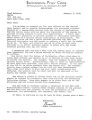
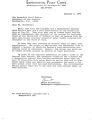
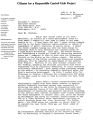
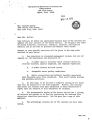
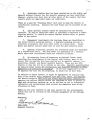
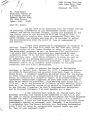
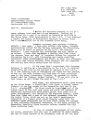
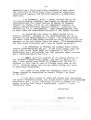
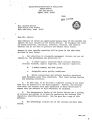
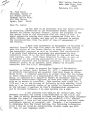
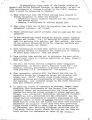
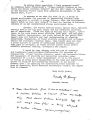
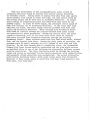
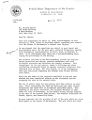
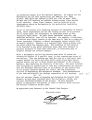
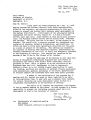
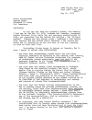
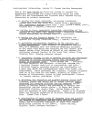
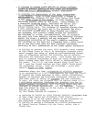
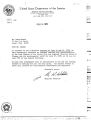
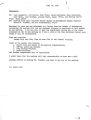
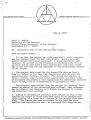
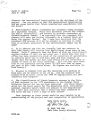
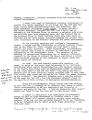
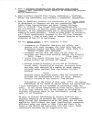
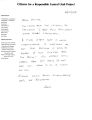
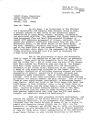
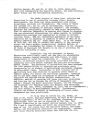
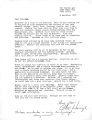
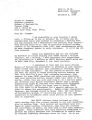
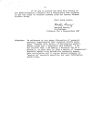
Correspondence from 1978 relating to the impact of the CUP's Bonneville Unit on Uinta Mountains streams, including Rock Creek; From the The Dorothy Harvey papers (1902-2005), a collection of materials focusing on the Central Utah Project (CUP), a water resource development program to use Utah's alloted share of the Colorado River. Includes correspondence, Harvey's writing drafts and notes for an unpublished book on the CUP, federal documents, project litigation materials, subject files, news clippings, newsletters, programs, brochures, and maps. |
| Subject |
Central Utah Project; Rivers--Environmental aspects--Utah; Water resources development --Environmental aspects--Utah; Water-supply--Utah--Salt Lake County |
| Creator |
Harvey, Dorothy |
| Contributor |
Citizens for a Responsible Central Utah Project; Beard, Brian |
| Additional Information |
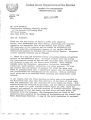
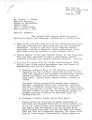
Includes: Public comments on Charles M. Russell National Wildlife Refuge, Montana; Correspondence about formation of a Central Utah Project Coalition (later, Citizens for a Responsible Central Utah Project); Letters to Interior Secretary Cecil Andrus and other officials concerning the CUP and the proposed High Uintas South Slope Land Management Plan and Draft Environmental Statement |
| Spatial Coverage |
Colorado River Basin (Colo.-Mexico); Uinta Mountains (Utah); Rock Creek (Duchesne County, Utah); Jordanelle Reservoir (Utah); Charles M. Russell National Wildlife Refuge (Mont.); Salt Lake County (Utah); Duchesne County (Utah) |
| Collection Number and Name |
Accn2232 bx 57 fd 2; Dorothy Harvey papers |
| Rights Management |
Digital Image © 2010 University of Utah. All Rights Reserved. |
| Holding Institution |
J. Willard Marriott Library, University of Utah |
| Date |
1978 |
| Digitization Specifications |
Original scanned on Epson Expression 10000 XL and saved as 400 ppi TIFF. Display image generated in Contentdm. |
| Publisher |
Digitized by J. Willard Marriott Library, University of Utah |
| Type |
Text |
| ARK |
ark:/87278/s63r0rvb |
| Setname |
wwdl_neh |
| ID |
1150852 |
| Reference URL |
https://collections.lib.utah.edu/ark:/87278/s63r0rvb |
| Title |
Page 157 |
| Setname |
wwdl_neh |
| ID |
1150805 |
| OCR Text |
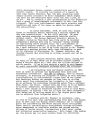
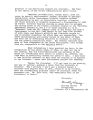
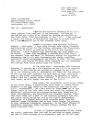
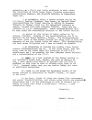
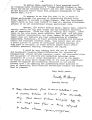
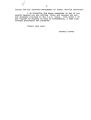
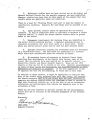
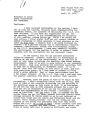
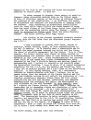
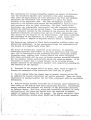
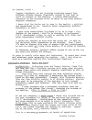
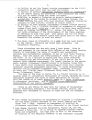
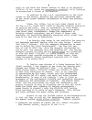
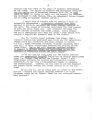
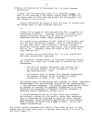
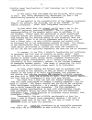
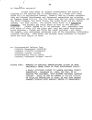
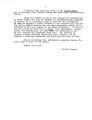
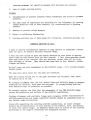
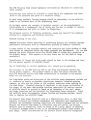
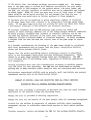
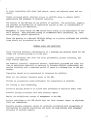
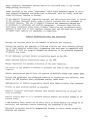
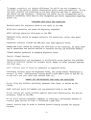
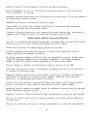
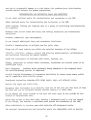
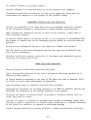
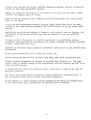
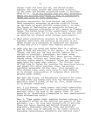
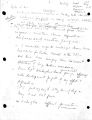
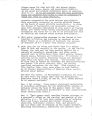
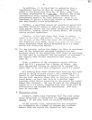
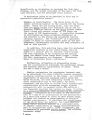
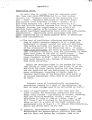
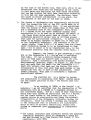
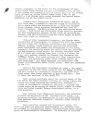
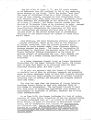
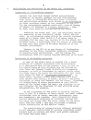
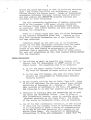
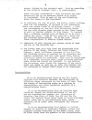
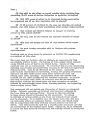
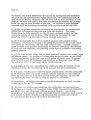
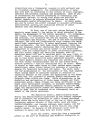
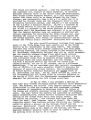
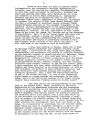
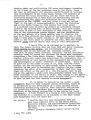
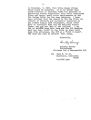
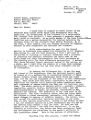
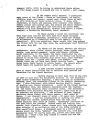
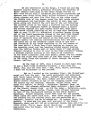
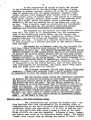
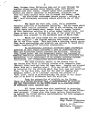
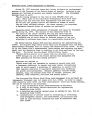
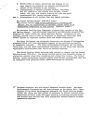
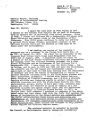
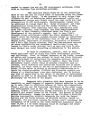
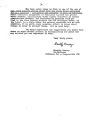
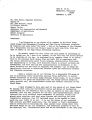
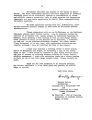
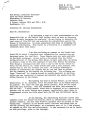
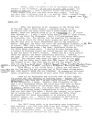
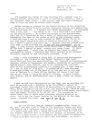
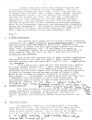
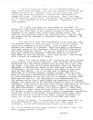
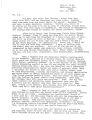
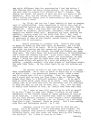
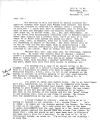
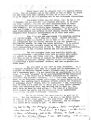
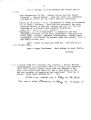
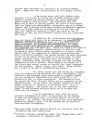
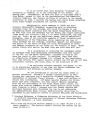
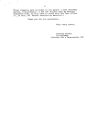
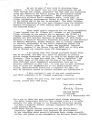
Show 4 Lake, Workman Lake, Whiterocks Lake and on over through the braided stream marshes above Chepeta Lake, were heavily covered with deer tracks. Reader Lakes still possesses the silence and remote character of wilderness, unspoiled yet from the human traffic which has cluttered the Queant ^Lake Area. Any additional encouraged people access - walking or ORV - will ultimately seriously reduce wildlife use of this region. The Upper Dry Fork area, also, still possesses enormous qualities of wilderness character. The elk herds which summer there require isolation. The 50 elk utilizing the high cirque basin wet meadow area, remain there in summer because of this isolation existing in a prime summer habitat area. And these animals move up through the area of the Lower Dry Fork Roadless Area adjacent to the southwest side of Marsh Peak. Marsh and Leidy Peaks are two oustanding examples of the "bollies" - the rounded wearing down peaks-on the eastern end of the Uinta Range. They both have a haunting beauty perva-. ding their surroundings and wildlife use related to their still remote locations%their exclusion undefensible. To deliberately introduce increased human recreation activity in this region indicates a lack of understanding of what the wilderness forest provides for wildlife. Substituting logged areas, and the'subsequent roads, for purposes of creating~vegetative succession to provide wildlife diversity and succession, is no replacement of an already existing natural functioning and irreplaceable wildlife habitat area. The same situation exists in the Middle Fork of the Beaver area which is heavily covered with lodgepole pine. (Natural fires have not been let burn here? logging was stopped since this was a roadless area.) This has served to provide an isolation for the wildlife which they have used and benefited from. To log this area, just for the sake of logging this marginal timber, or to "justify" solving the problem of a "fuel load", again is misunderstanding the value of the isolation of an area of wilderness land for wildlife. From the perspective of wildlife on the Uintas, there is. a rather .striking lack of understanding of wildlife use. apji requirements on xhe_~Uinta Range as a. starting point of assessing other resource use. All these issues were also considered in proposing the inclusion of these areas in the Citizens High Uintas Wilderness proposal. Please give this issue serious consideration as against the Forest Service justifications for both managment and wilderness area size. Dorothy Harvey High Uintas Wilderness Coalition 1445 N. 10 St. Manitowoc, Wisconsin 54220 |
| Reference URL |
https://collections.lib.utah.edu/ark:/87278/s63r0rvb/1150805 |