| OCR Text |
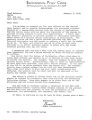
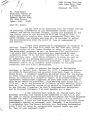
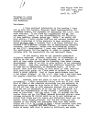
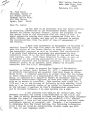
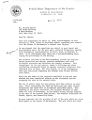
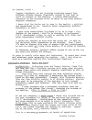
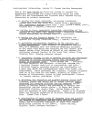
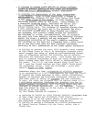
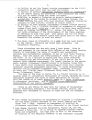
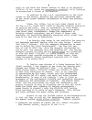
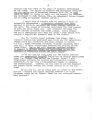
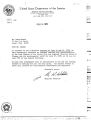
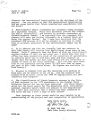
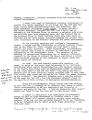
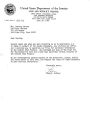
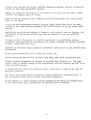
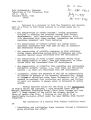
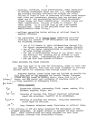
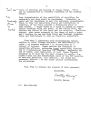
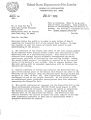
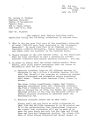
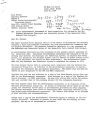
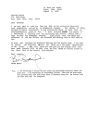
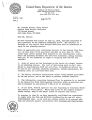
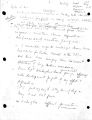
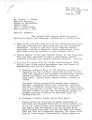
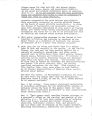
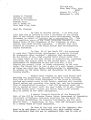
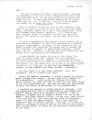
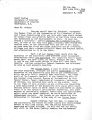
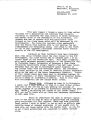
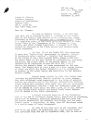
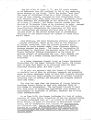
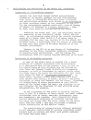
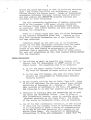
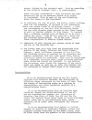
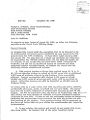
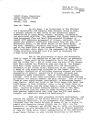
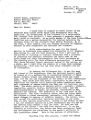
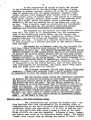
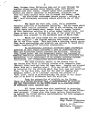
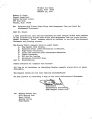
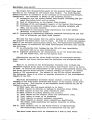
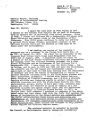
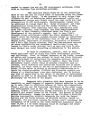
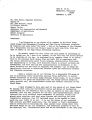
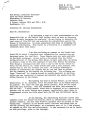
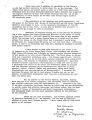
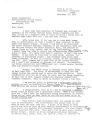
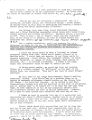
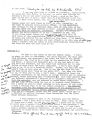
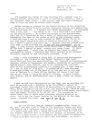
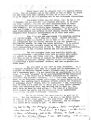
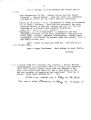
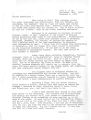
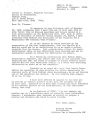
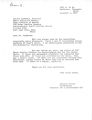
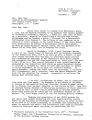
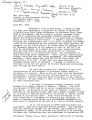
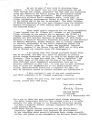
Show r 1384 S. 600 E. Salt Lake City, Utah 84105 March 2, 19 7 8 The Honorable Gunn McKay U.S.House of Representatives Washington, D.C. 20516 Dear Mr. McKay: I am enclosing a copy of my letter to Secretary Andrus as a follow-up evaluation of a meeting set op for me by Commissioner Higginson, Bureau of Reclamation. This meeting, held on February 9, 19 78, Salt Lake City, was held for purposes of answering quations I had raised about impacts on wildlife and recreation resources from existing and proposed developments of the C.U.P. in the Uinta Basin. I had prepared these questions as part of the public input sought by the BuRec for its preparation of a Comprehensive EIS on the Colorado River Basin. The impacts I expressed concern about have taken place and will continue to take place on National Forest lands to a great extent. These impacts created by the C.U.P. will not affect lands proposed for inclusion in the National Wilderness System by Utah conservationists, yet these undeveloped lands have long had importance to the Utah fishing public, in particular, for their high quality fishing opportunities in a primitive type forest. My concerns are shared by many individuals who see favorite fishing streams on and around the Uintas being either dewatered or destroyed, as has been the Provo, the Strawberry, and portions of the Duchesne, and as will Currant Creek, the W. Fork of the Duchesne, and Rock Creek. I have included information on this river situation to indicate the continuing degradation of one of Utah's irreplaceable natural resources, its trout streams. The State of Utah, as you know, contains only 61.8 miles of Class I streams and only 450.9 miles of Class II streams. This 512.7 miles represents only about 10% of Utah's 5,3777 miles of stream. Approximately, 2,109 miles of former trout habitat has already been eliminated. Rather than continue the process of eliminating what is rare in Utah, fend irreplaceable, the greatest care ought to be taken for protecting them. I have long had a concern for protecting one of Utah's outstanding natural and renewable resources, its wildlife and the recreatioaail opportunities this resource provides. Both State and Federal wildlife managers express great concern at the indifference of the public as habitat area after habitat area is lost to one sort of development or another. Yet this same public brings into the State some $140 million dollars a year just from hunting and fishing recreation. This represents an important part of the life they enjoy in Utah - and why they live here. |