| OCR Text |
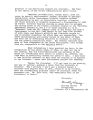
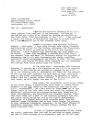
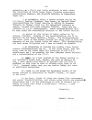
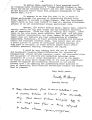
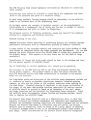
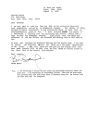
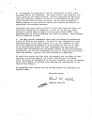
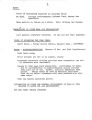
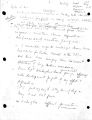
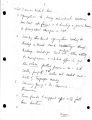
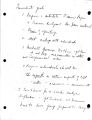
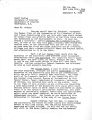
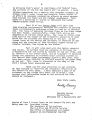
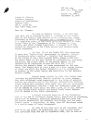
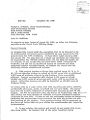
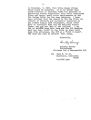
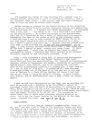
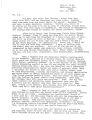
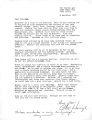
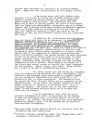
Show -3- In asking these questions, I have prepared myself by studying Henry Chrostowski's "Stream Habitat Studies on the Uinta and Ashley National Forests" and the 19 67 study of impacts on the National Forest lands from proposed development of the Upalco Unit, C.U.P. It appears to me that for what it is, a study of stream environment for purposes of determining minimum water flows required to sustain a stream fishery, that the Chrostowski report holds up very well today. It does so, because it indicates unknown or as yet undetermined stream environment data. However, the Forest Service study, Upalco Unit, reflects concern mostly for big game losses and for potential waterfowl use of reservoirs. Since the time of writing this report, (19 67) there is far more known about wildlife, both game and non-game, their habitat requirements, and their values to the public.This report does not indicate any real understanding of riparian ecosystems, themselves, or their wildlife productivity influence beyond the immediate riparian zones. This report does not drav; a broad picture of losses of particular wildlife species, be they game or non-game, as these on-site losses would affect wildlife presence, ongoing, throughout tiie region. I would be very unhappy with the use of outdated and inadequate baseline(impact)information for purposes of representing Forest Service concerns, needs, and responsibilities for management of wildlife and recreation resources under conditions of a C.U.P. water development. It is in the spirit of trying to bring about recognition of the real and significant values of wildlife and recreation resources on our public forests that I am pressing for alternative water supplies to that of dewatering Uinta Mountain streams (for Utah) to the degree that is planned. Very truly yours, Dorothy Harvey |