| OCR Text |
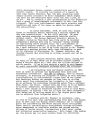
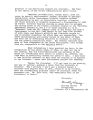
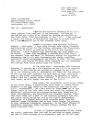
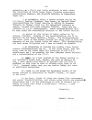
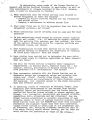
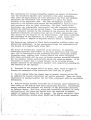
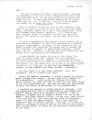
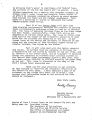
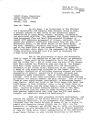
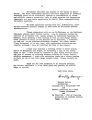
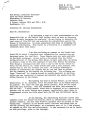
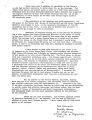
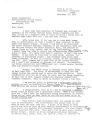
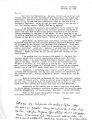
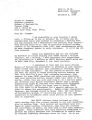
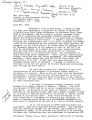
Show 3f. 6. In addition, it is important to emphasize that a significant portion of what is claimed to be "new" water in the Bonneville Unit is, in fact, water that is being transferred to a new use. However, the prior cost/benefit ratio calculations have treated these transferred benefits as "new" benefits. Thus it is important to delete a specified amount of water from the cost/benefit ratio calculations. Further, a specified amount of- electrical generation benefits should be deleted to reflect lost revenues at Glen Canyon, Hoover Dam and other downstream generation facilities, pumping losses at Leland Bench, and pumping during project operations. Finally, it has been shown that there is excess water in the Utah Lake System. This, together with the use of much of the Provo Bay water for irrigation of the reclaimed land there, shows that none of the Transbasin Diversion water should be counted as M S I water within the Jordanelle System. IV. "In the interim, before the Goshen Bay Dike is completed, part of the irrigation releases scheduled for the southern areas of the Bonneville Unit would be delivered to Utah Lake to accomplish the replacement of exchange." • the Central Utah Project Bonneville Unit Final EIS, page 13. Thus, a portion of the irrigation supply will be used for M S I purposes for a number of years. How will the pay back formula be corrected to account for water that is in fact both irrigation and M S I water? The Central Utah Water Conservancy District had their choice of which to build first - the Jordanelle M S I System or the Strawberry Irrigation System. Thus, if the pay back contract shows this as strictly agricultural water, vie feel that this is a serious legal question which throws suspicion on the people who negotiated this contract. The use of part of the irrigation supply as M S I water, suggests that this water must be re-evaluated and charged for differently. How will this be resolved? V. Mitigation Costs Wildlife staffs have indicated that the only acceptable mitigation is mitigation for equivalent productivity - of the same kinds of wildlire resources. At the present time, opportunities are available for mitigation on a number of streams and wetlands across Utah and within the Bonneville Unit area. |