| OCR Text |
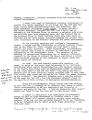
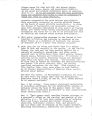
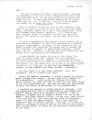
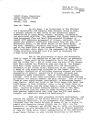
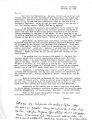
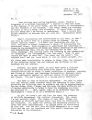
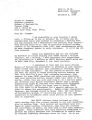
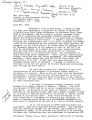
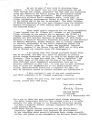
Show 7. Specifically no mitigation is provided for Utah Lake fishing, and the unique limnology of the Lake, for Utah Lake wetlands, and for destroyed trout streams. Is mitigation going to be provided in kind and in equivalent productive amount? Example or clarification: The Uinta Range is the lowest lattitude habitat in the country for the Shiras moose.' Moose are now moving south, over the Range from the North Slopes into available and as yet unoccupied riparian habitat on the South Slopes (these South slopes and western slopes of the Range are the areas of CUP developments). A population increase is anticipated as moose establish themselves in and adjacent to the stream and streamside habitat carrying capacity. The "write-off" of a specified number of moose as "irretrievable loss" by CUP developments, inadequately reflects the real potential of .loss of this species. In addition, this existing loss, plus its projected population increase in one stream basin, must be added to a similar loss in adjacent stream basins now just beginning to be utilized by the species along the entire Uinta Range South Slopes - where CUP Unit developments are proposed. (Strawberry River to Whiterocks River, inclusive.) Furthermore, mitigation at alternative sites, may not satisfactorily duplicate the particular stream and riparian habitat requirements of moose. These are not a dime a dozen! Similar projections for population increase need to be determined for other wildlife species presently utilizing existing habitat on the Range. As wildlife departments of agencies managing public lands and their wildlife, are more adequately funded to fulfill their responsibilities to the public for these resources, and are able to utilize their increasingly sophisticated wildlife management tools, species productivity will be managed within tne multiple - use framework provided the habitat is there. Wildlife ¥0, is a renewable resource only so long as its habitat remains. Mitigation on the basis of the displacement of 7 elk or on infringement of CUP developments on a specified number of acres of deer winter range, reflects too limited an understanding of wildlife habitat requirements. It minimizes the significance of the Uinta Range for habitat for high, fountain Range forest wildlife species in a semi-arid land; it imposes consequences of single resource*development on multiple-use public lands1 management; and it essentially overlooks public demand for wildlife resources today! * water |