| OCR Text |
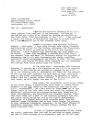
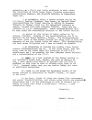
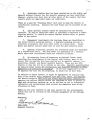
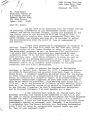
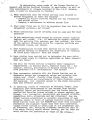
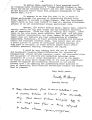
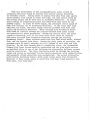
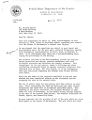
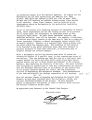
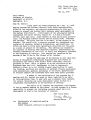
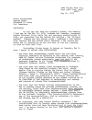
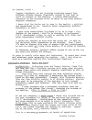
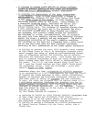
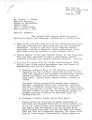
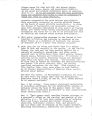
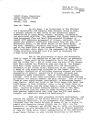
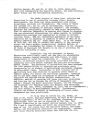
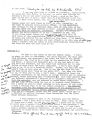
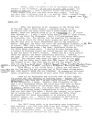
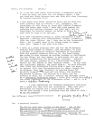
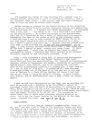
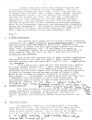
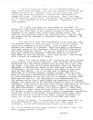
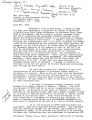
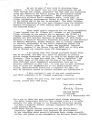
Show The contentions for minimum streamflow bypasses at points of diversion into the Strawberry Aqueduct were resolved in the joint resolution. That issue and approximately 30 other provisions for fish and wildlife mitigation and enhancement were established as a basis for final planning of the Bonneville Unit. The Fish and Wildlife Service's analysis of the definite plan report for the Bonneville Unit was later made consistent with the joint resolution. The plan, based on the resolution, was subsequently incorporated into the repayment contract between the district and the United States. The overwhelming approval of the repayment contract by the citizens of the district for the unit permitted initiation of construction and use of funds appropriated for that purpose by the Congress of the United States. The State reaffirmed the continuity of the resolution in a November 1, 1972, letter from Governor Calvin L. Rampton to Regional Director David L. Crandall. The Congress was informed of Uinta Basin streamflow problems before the project was authorized. It has appropriated funds for construction of the project on a regular basis since 1967. The Bureau of Reclamation, supported by the district, is presently conducting accretion flow studies on the major Bonneville Unit streams that will be intercepted by the Strawberry Aqueduct collection system. Streamflow data, together with fishery habitat and other biological data being collected, will be used to develop optimum operating criteria for the aqueduct system, particularly during the start-up phases. It is reasonable to expect that a stream fishery can be retained in most streams affected by the Strawberry Aqueduct with cooperative planning in the operation of the aqueduct. 2. Personnel in the project office at Provo, Utah, would be happy to discuss the economics of the Bonneville Unit with you in person. 3. The Ute Indian Tribe has always been in general support of the CUP as evidenced by several resolutions and various measures. These are being implemented to develop benefits for the Tribe concurrent with the non-Indian development. 4.. Duchesne County recently forwarded the ad valorem taxes collected in that county to the Central Utah Water Conservancy District. Furthermore, county residents now recognize the benefits of the Starvation Reservoir to Duchesne County. This fact, along with reasonable assurance of early construction of the Uintah and Upalco Units has resulted in renewed support of Duchesne County for the project. The Uintah and Upalco Units would, respectively, develop about 48,000 and 21,000 acre-feet annually W T7%~1T*~ 11TT* ' ' |