| OCR Text |
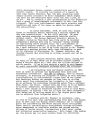
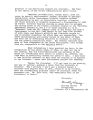
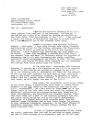
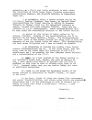
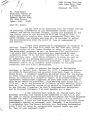
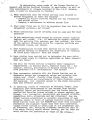
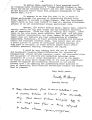
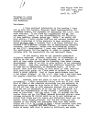
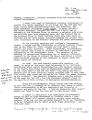
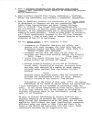
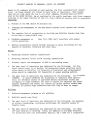
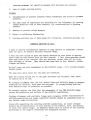
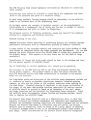
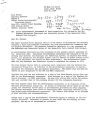
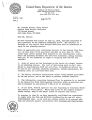
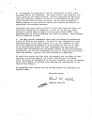
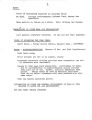
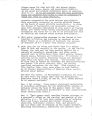
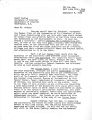
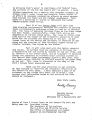
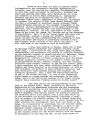
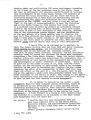
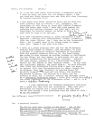
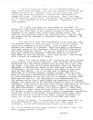
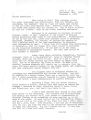
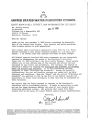
Show 2. winter range for deer and elk, and stream bottom habitat for moose, beaver and associated wildlife, is too great and present mitigation bases is unacceptable to us. It is our believe that the only acceptable basis for wildlife mitigation is that of commensurate value and issue bv issue decision. ~~ Agencies responsible for both habitat and wildlife have repeatedly attempted to provide wildlife losses on the basis of equal wildlife productivity: to date, the Bureau of Reclanation has repeatedly refused to deal with adequate mitigation at all, except at Flaming Gorge. The Carter Water Policy specifically states that mitigation and costs for it are to be provided for both on existing and planned water storage developments. c. What water conservation programs is the Bureau of Reclamation initiating and pursuing as required in the Water Policy as a condition of contracts for storage or delivery of M 8 I water from Federal projects? d. Utah Lake and its Provo and Goshen Bays is a unique Lake in Utah and possibly in the nation. On the Pacific Flyway, the Lake and its Bays provide habitat for a variety of waterfowl, shorebirds, and other avian species such as White-faced Ibis, snowy egrets, Herons, Canada geese, Pelicans and Cormorants. If returned to existing eyries nearby, Peregrine Falcon are dependent upon Provo Bay narsh prey species. The littoral zone of Utah Lake in Goshen Bay provides the macroinvertebrate and sponge life which provides, then, the natural purifying mechanisms for the Lake. Wind currents on this shallow lake, also, move algae in such fashion as to prevent accumulations of material which putrify altered water bodies. How does the Bureau of Reclamation reconcile its plans to dike Provo and Goshen Bays with the Presidential Executive Order # 11990, of May 24, 19 77, whose purpose is to protect wetlands? Sec. 2 (a) states: "each agency shallavoid undertaking or providing assistance for new construction located in wetlands unless the head of the agency finds (1) that there is no practicable alternative to such construction" (Such alternatives exist.) Sec. 5. "Each agency shall consider factors relevant to a proposal's effect on the survival and quality of the wetlands, i.e., (b) long term productivity of existing flora and fauna, species and habitat diversity and stability, hydrologic utility, fish, and wildlife .. and (c) other uses of wetlands in the public interest, including recreational, scientific and cultural uses." |